
LAS VEGAS · CRATING GUIDE
Sustainable Custom Packaging: Practical Ways to Reduce Waste
Sustainable custom packaging starts with a practical question: how can a package protect the item while avoiding unnecessary material and waste? The answer depends on the contents, the shipping route and what the recipient can realistically do with the packaging afterward.
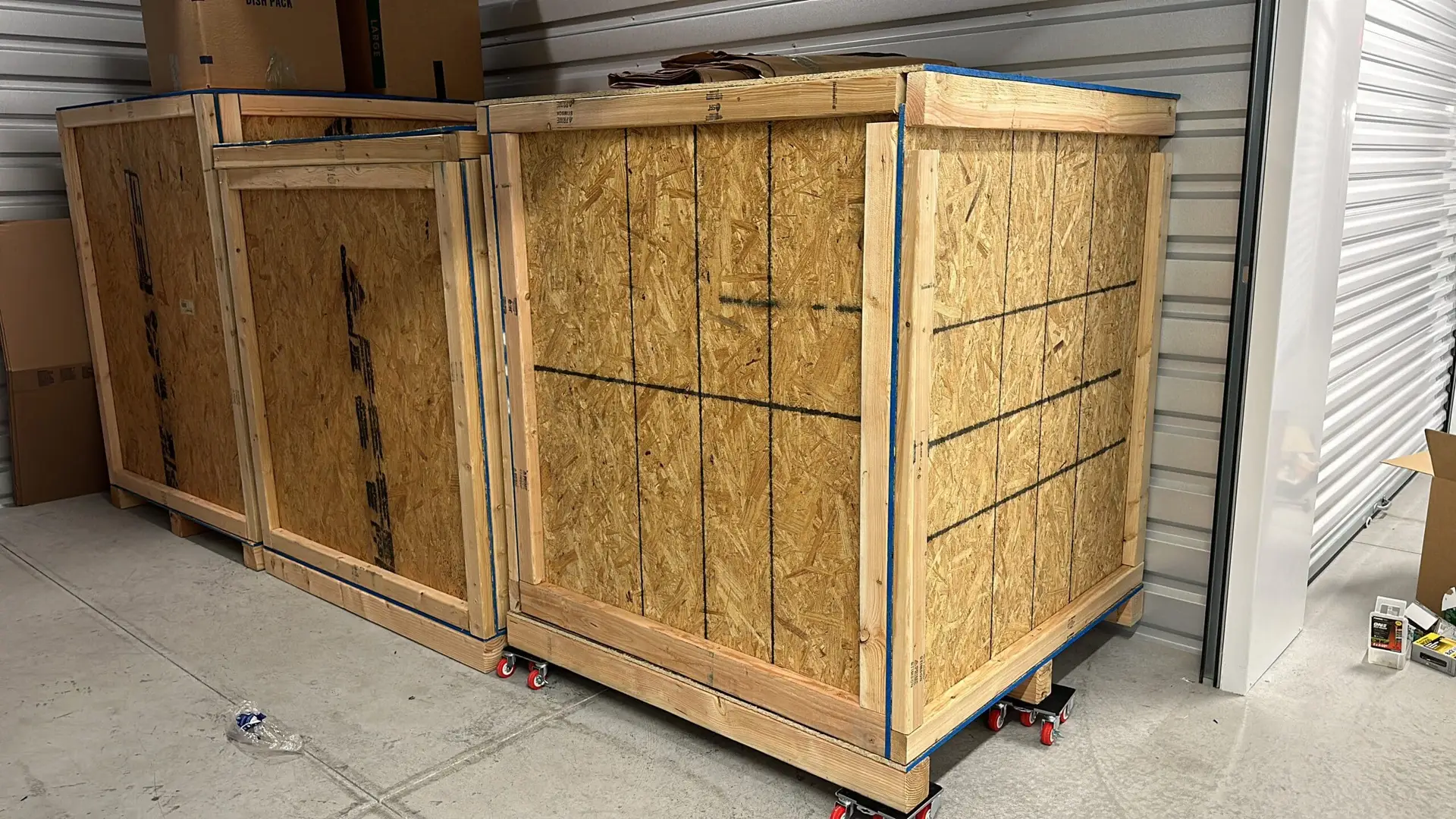
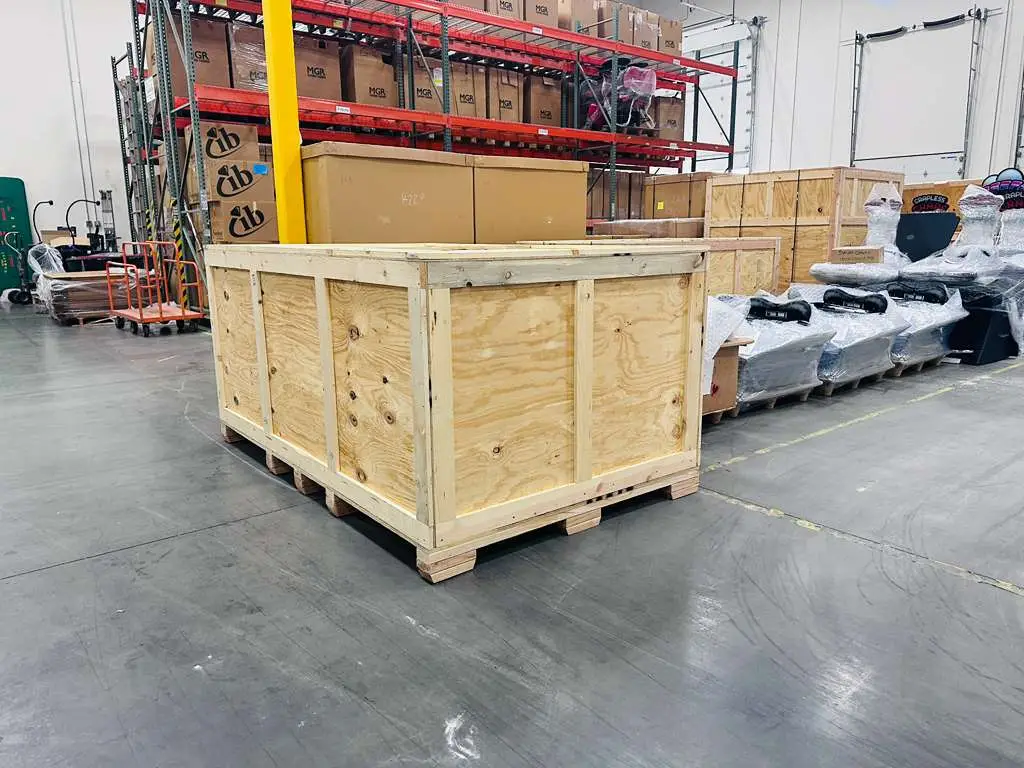
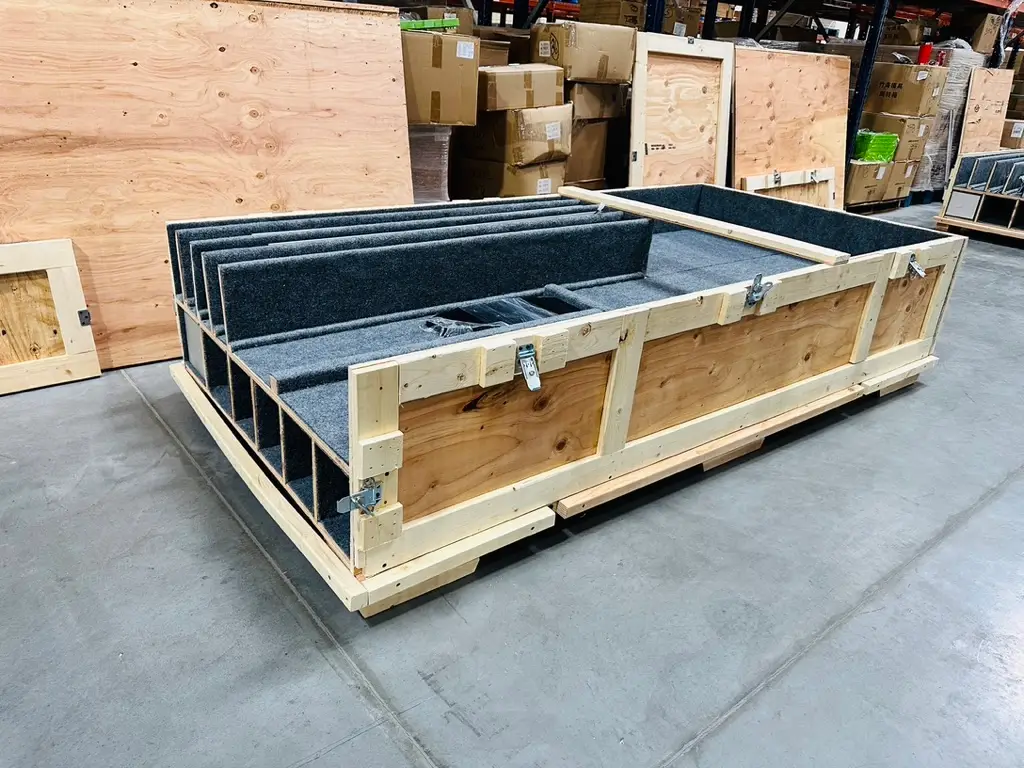
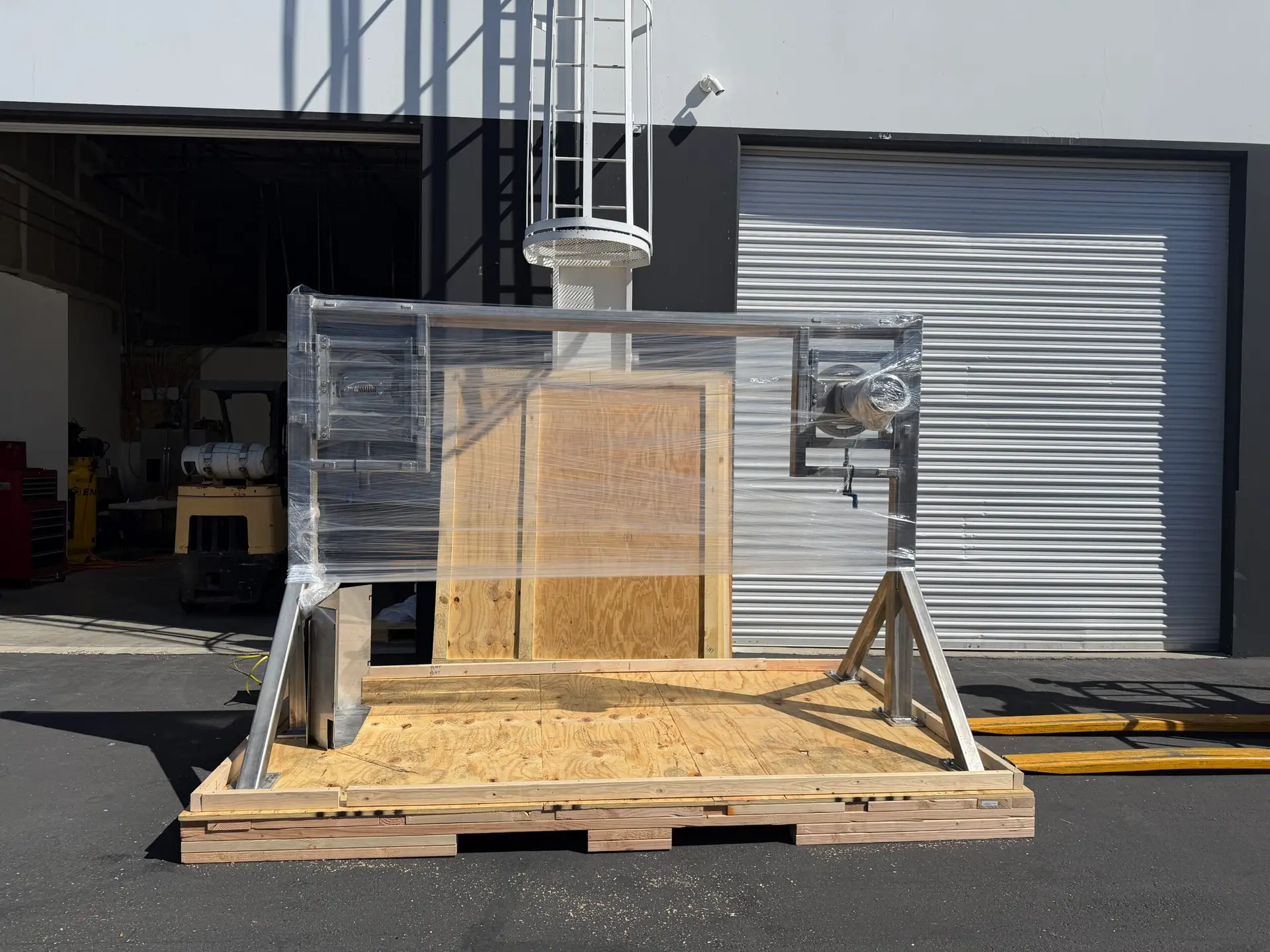
For a custom crate, useful improvements may include a better-sized enclosure, reusable internal supports or a clearer return plan. A new material or an environmental label is only part of the assessment.
Evaluate materials in the context of the job
Compare candidate materials against the product's protection needs and expected handling. Ask about sourcing, recycled content where relevant, durability and the facilities available at the destination. A packaging material that looks promising in isolation may not fit the complete shipment.
Biobased, biodegradable, compostable and recyclable describe different characteristics. Do not assume a bioplastic can go into the recipient's recycling stream or that a compostable product can be composted at home. Ask the supplier for the applicable conditions and evidence.

Use customization to avoid unnecessary material
Right-sizing means designing around the item plus the supports and protective clearance it needs. Removing space that serves no purpose can be worthwhile, but reducing cushioning or structural material without assessment can undermine protection.
- Confirm the item's shipping configuration before sizing the enclosure.
- Separate loose parts where that improves support and access.
- Avoid additional presentation layers that the recipient will immediately discard.
- Record external dimensions and packed weight so alternatives can be compared fairly.
- Keep a sample or packing record for repeat shipments to reduce avoidable redesign.
The EPA's materials-management hierarchy favors source reduction and reuse before recycling. Applying that principle still requires a package that suits its contents.
Make reuse an operational plan
A reusable crate needs somewhere to go after unpacking. Decide who keeps it, where it is stored and whether return transport makes sense. Removable panels, labeled supports and clear repacking instructions can help when repeat use is part of the design.
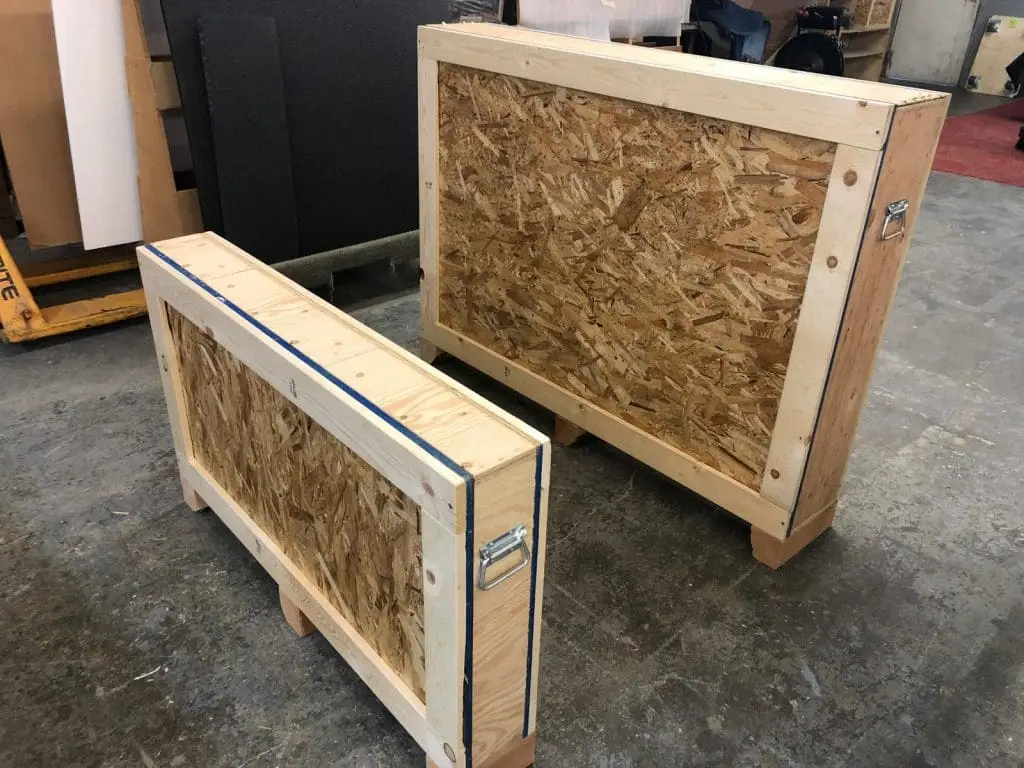
Assign someone to inspect the crate between trips. Record repairs and review the internal fit when the load changes. For export packaging, ask the provider to assess treatment and marking requirements before altering or repairing regulated wood components.
Use technology only when it answers a question
A simple packing diagram or component inventory may solve a recurring problem without additional devices. A tracker or condition indicator should have a defined purpose, such as locating the shipment or documenting an exposure that matters to the cargo.
Before adding a device, decide who will read it, what action they will take and how it will be recovered or disposed of. Collecting data without a response plan does not establish an environmental benefit.
Make claims the recipient can verify
The FTC Green Guides summary cautions against broad, unqualified environmental claims. Describe a documented feature and its limits rather than calling the complete shipment green.
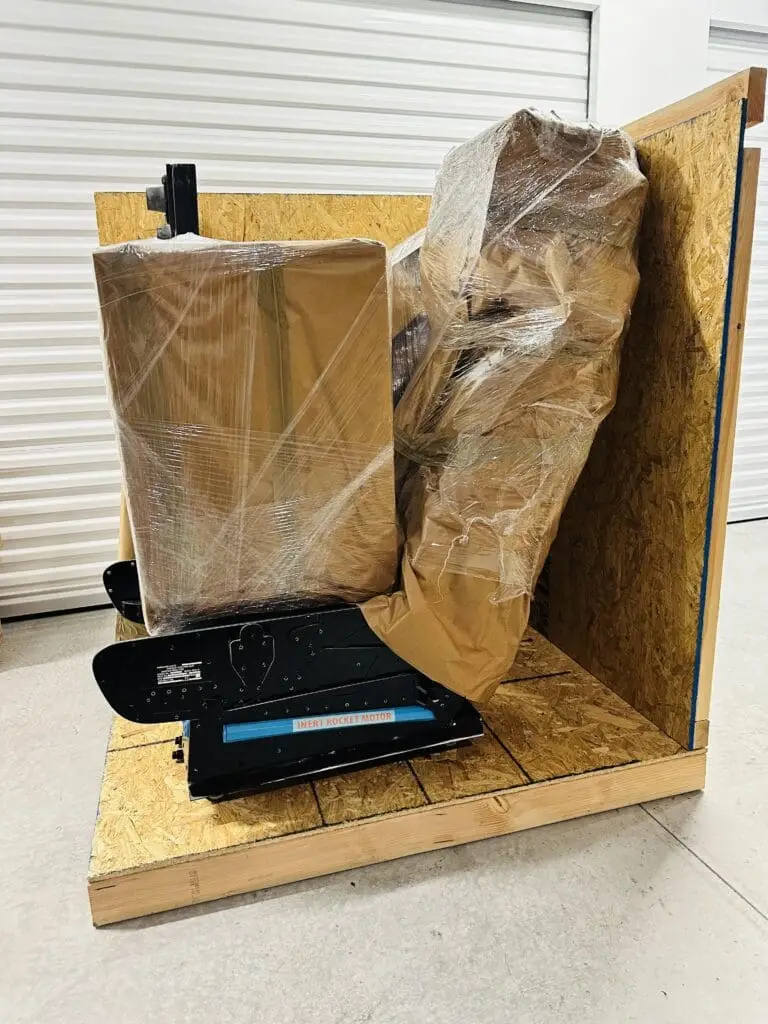
For example, a returnable-crate plan can identify how return collection works. A recycling instruction can specify the material and tell the recipient to check local acceptance. Keep records behind any claimed reduction and compare like-for-like shipments.
PLAN YOUR CRATING
Discuss a lower-waste packing approach
Share the item details, expected shipment frequency and destination with Crates of Las Vegas. Review custom-packaging options and ask which right-sizing, repair or repeat-use features fit the project without compromising the required protection.
Discuss your crating projectMORE CRATING GUIDES