

CRATING & PACKAGING GUIDES
Five Uses for Custom Wooden Crates in Las Vegas Homes
A made-to-fit crate can help a homeowner protect an awkward piece, organize a seasonal collection, or prepare an item for a move. The useful features depend on the contents and handling plan. A shipping enclosure, storage container, and piece of furniture should each be designed for its intended use.
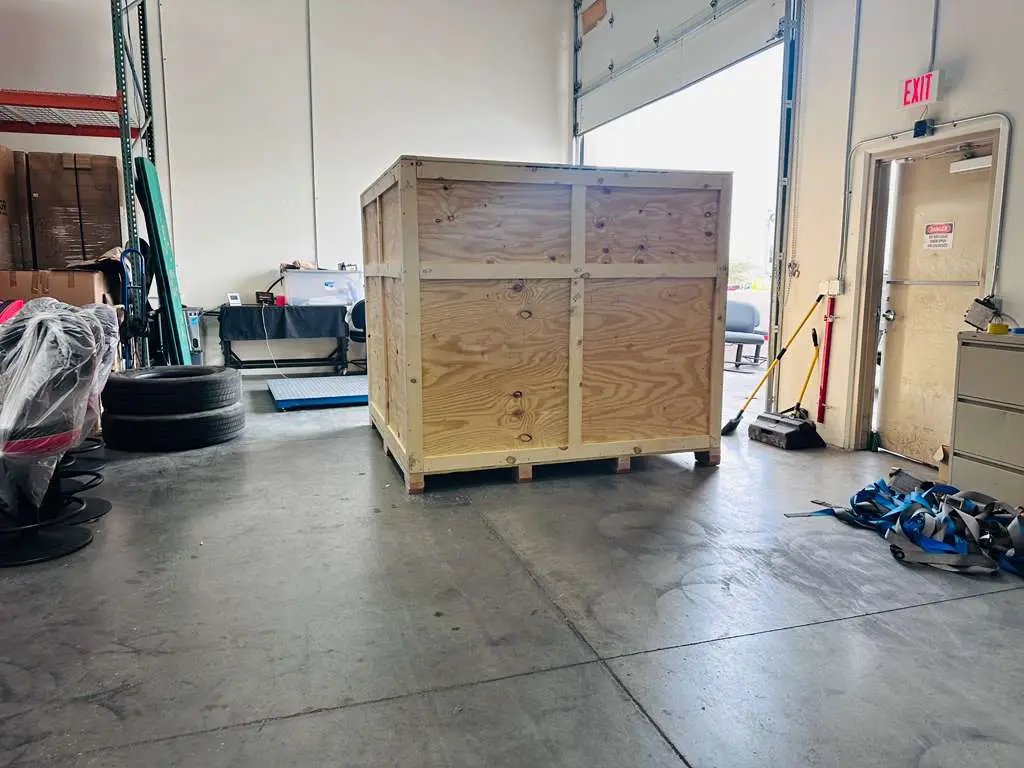
Protect artwork during moves or renovations
Paintings and sculptures need a condition-based plan. Photograph the work, note fragile surfaces or previous repairs, and identify safe support points. Ask a conservator to assess unstable or unusually sensitive pieces before packing.
Do not place wrapping directly against a paint surface by default. The Canadian Conservation Institute guidance explains using a travel frame to keep packing away from sensitive paint. Crates may also need carefully selected cushioning and environmental protection; a generic desiccant packet is not a universal solution.
During renovation, choose a location that protects the packed work from construction dust, vibration, leaks, and accidental impacts. Avoid treating a crate left in a work zone as complete protection.
Support furniture and antiques for transport or storage
Large furniture may need a base and supports that carry weight through strong structural points. Decorative legs, carvings, mirrors, and fragile finishes should not become restraint points simply because they are accessible.
- Document existing condition and any approved disassembly.
- Keep removable hardware labeled and associated with the piece.
- Measure doorways, stairs, turns, and destination access.
- Ask how the packed load will be lifted and whether stacking is allowed.
On-site assembly can reduce pre-packing moves, but the larger completed crate must still leave the room and building safely.
Prepare electronics and home equipment
Look for the manufacturer’s packing and transport instructions and any suitable original packaging. Record model and serial details privately, label cables, and secure accessories in identified compartments. Screens, lenses, and controls require protection from pressure and contact.
Do not assume every consumer device needs the same static protection, restraint, or environmental controls. Batteries and other regulated contents must be identified to the carrier. For home medical equipment, coordinate preparation and return-to-use checks with the responsible supplier or service team.
Organize seasonal and long-term storage
Dividers can separate fragile ornaments; a documented packing layout can keep seasonal décor or hobby equipment complete. Put a contents list and crate identifier where they are easy to find without opening or moving a heavy container.
Choose storage conditions for the items. A wooden crate does not keep an attic or garage cool, maintain humidity, or automatically exclude pests. Ask about environmental requirements before selecting liners or moisture controls. Confirm stacking capacity rather than relying on a flat lid.
Plan retrieval access, especially for pieces needed during the storage period. A smaller, purpose-fit container may be more practical than one large crate that cannot be moved safely when loaded.
Create suitable household organization or décor
Sound crates can serve as low storage units or decorative components when their material history and condition are known. Check for splinters, contamination, sharp fasteners, and instability. Shipping treatment does not establish food-contact, pet, or indoor-furniture safety.
Tall or top-heavy shelving should be secured appropriately; the CPSC Anchor It guidance explains tip-over prevention. Do not turn a shipping crate into a bench, TV stand, wall cabinet, or climbing step without a design suitable for that load and use.
Use compatible finishes and follow curing and ventilation instructions. Reuse is valuable when the resulting object is safe and useful, not simply because it avoids immediate disposal.
Plan residential crating and international moves
For an in-home assessment, provide photographs, measurements, weight information, floor and walkway concerns, and the destination. Ask which packing, pickup, delivery, unpacking, or assembly tasks are included. Discuss access and a safe work area before the crew arrives.
For overseas shipments, regulated solid-wood packaging may need approved treatment and marking. ISPM 15 addresses pest risk, not customs clearance for the belongings or structural performance. Give the provider the destination rather than assuming any wooden box is export-ready.
Keep the crate specification, inventory, condition photographs, and opening instructions. Before reuse, inspect the structure and inserts and have changes reviewed. Compare the cost of return, storage, and repair with a new package when planning future moves.
PLAN YOUR CRATING
Request a residential crating assessment
Send photographs, dimensions, weight, fragile areas, access details, and the planned storage or shipping destination. Explain which of these five uses you need so the proposed crate fits the task. Contact Crates of Las Vegas to discuss the scope, availability, and quote.
Discuss your crating projectMORE CRATING GUIDES




