

LAS VEGAS · CRATING GUIDE
Custom Packaging in Marketing: Design, Messaging and Results
Custom packaging gives a business another place to communicate what it makes and how customers should use it. For freight shipments and high-value products, that message works best when the package also makes receiving, unpacking and setup straightforward.
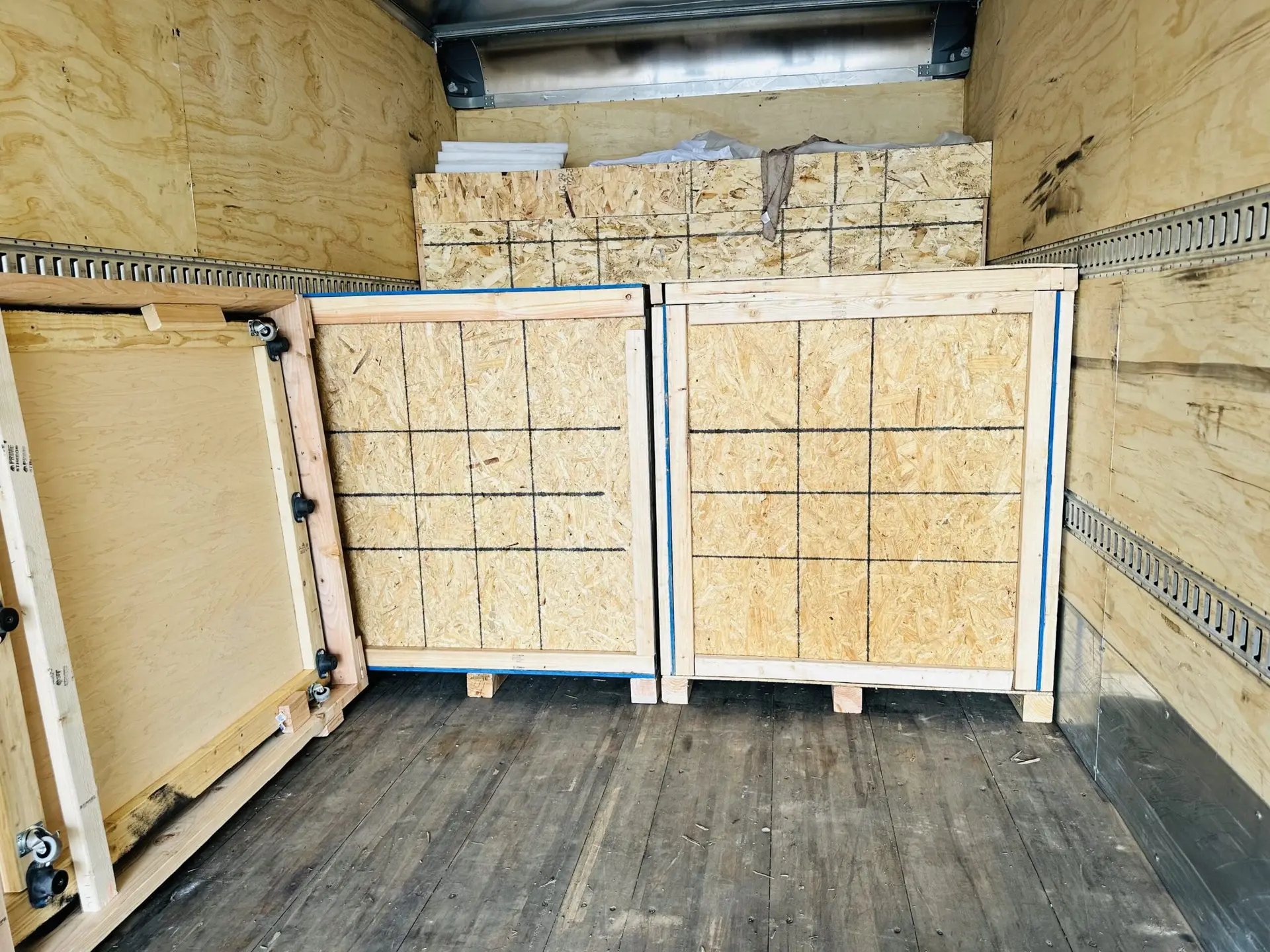
Begin with a specific marketing objective. You may want a recognizable presentation, clearer component identification or a package suited to repeat demonstrations. Those goals lead to more useful design decisions than a general request to make the crate impressive.
Translate brand identity into a practical brief
Provide the approved logo, colors, product name and tone of the accompanying instructions. Identify where the package will be seen: a warehouse, showroom, trade-show booth or customer's premises. That context determines which visual details deserve attention.
Confirm available labeling and finishing methods with the supplier. Keep artwork clear of opening hardware, freight labels and required marks. Review a proof or layout before production so a small spelling or placement error does not become part of every shipment.
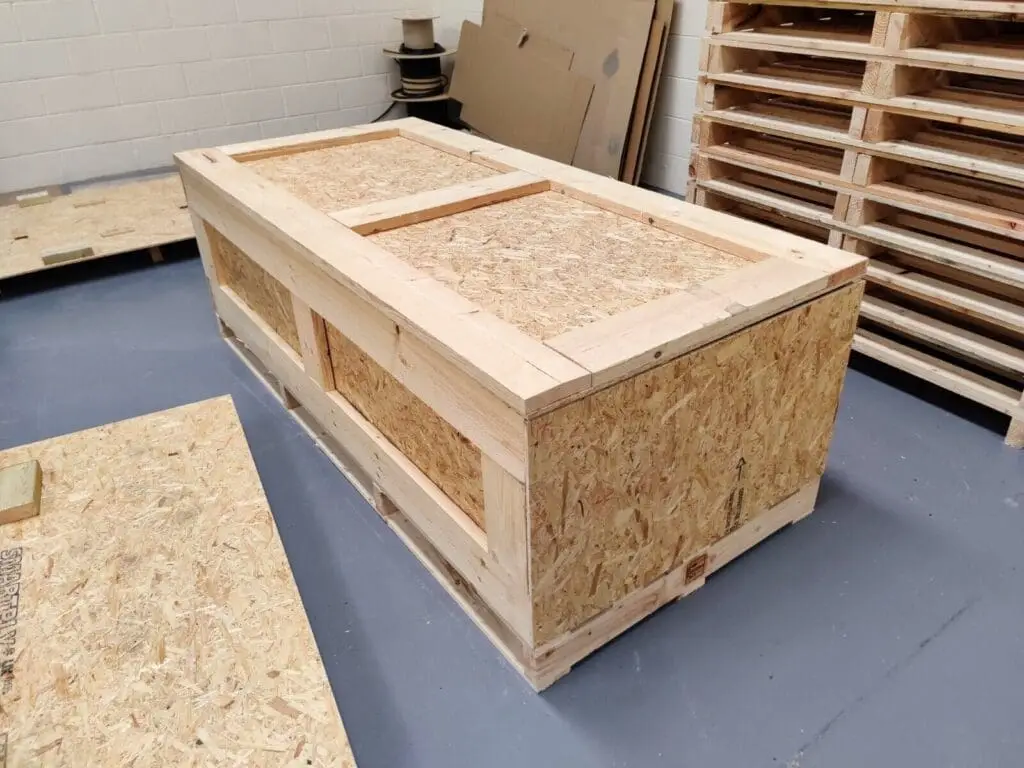
Create engagement through useful details
A product story is easier to appreciate when the recipient can first find the right components and instructions. Consider a short welcome card, a labeled accessory area or a care guide that answers the questions people usually ask.
If a QR code is useful, point it to a maintained product or setup page and test it at the printed size. Provide essential handling information on the package or included instructions as well; a recipient should not need a working phone connection to discover how to open the crate safely.
Differentiate where the product benefits
Distinctive shape, texture or presentation can support a brand, but added complexity also needs a reason. Ask whether the design helps the customer understand the product or merely adds material and labor.
- For a demonstration kit, organize parts in the order they are used.
- For an artwork shipment, make care and handling information easy to locate.
- For a multi-piece installation, align package labels with the installation plan.
- For a repeat-use exhibit, make the return-packing sequence clear.

These are design directions to assess, rather than claims that a particular feature will increase conversion or loyalty.
Keep environmental messaging specific
Only promote features you can substantiate. If a package is intended for reuse, explain how that reuse works. If a material claim applies to one component, make that scope clear.
The FTC's Green Guides summary is a useful reference when reviewing environmental marketing. Avoid unsupported statements about a crate being universally sustainable or producing a lower carbon footprint.
Measure outcomes that match the objective
Choose a baseline before changing the packaging. Record the old design, the proposed change and the result you expect to observe. Useful measures include receiving questions, unpacking time, missing-component reports, return-packing completeness and the cost of each shipment.
For a marketing feature such as a product-guide link, record visits or customer feedback without assuming every change came from the packaging. Compare similar orders and account for other changes, such as a new product, promotion or delivery service.
Bring operations and marketing into the same review. A design that photographs well but slows receiving may need a different solution.
PLAN YOUR CRATING
Build a packaging brief around your goal
Discuss custom packaging with Crates of Las Vegas using the product details, audience, shipping needs and approved artwork. Identify the practical outcome you want the package to improve before choosing decorative features.
Discuss your crating projectMORE CRATING GUIDES




