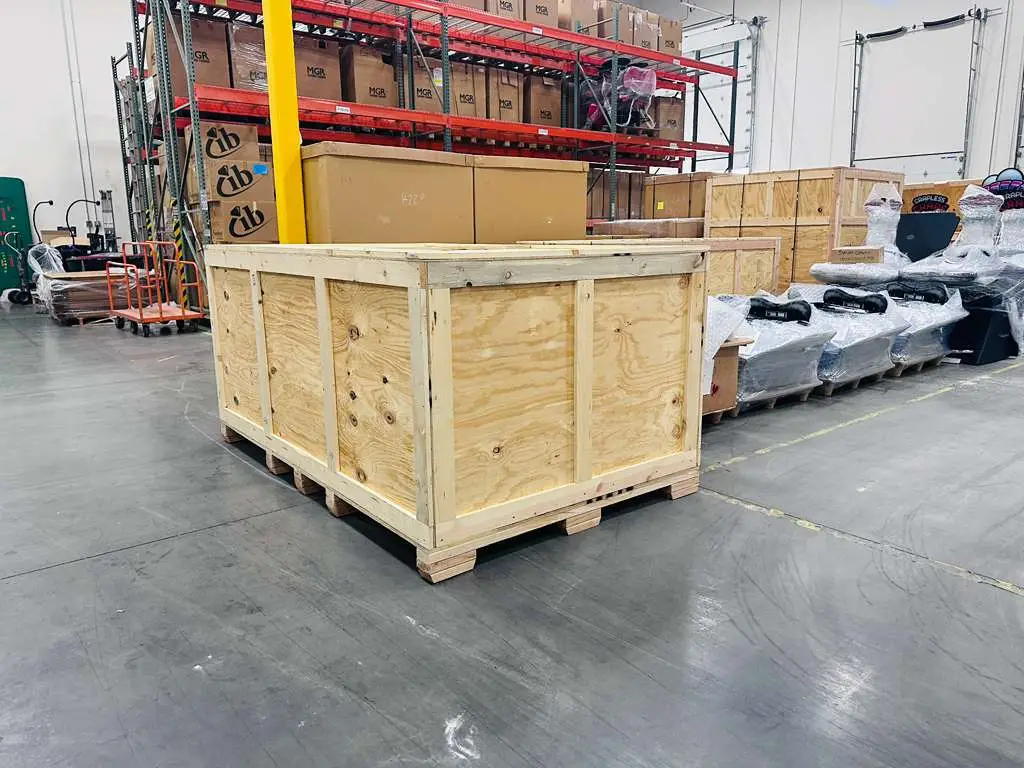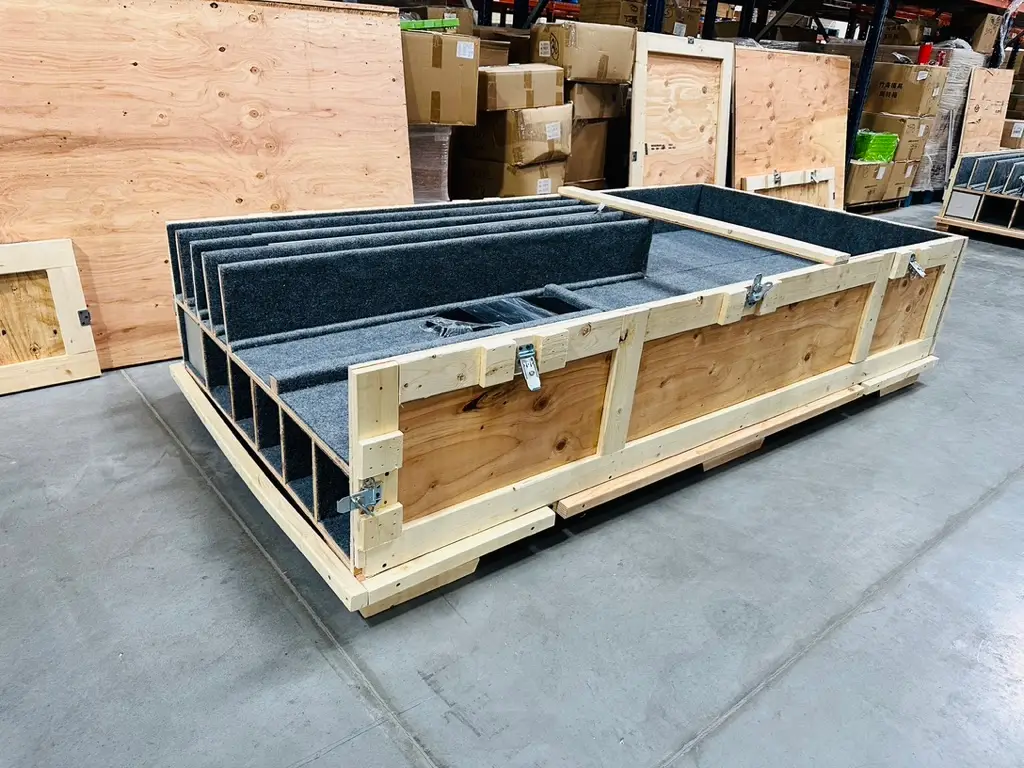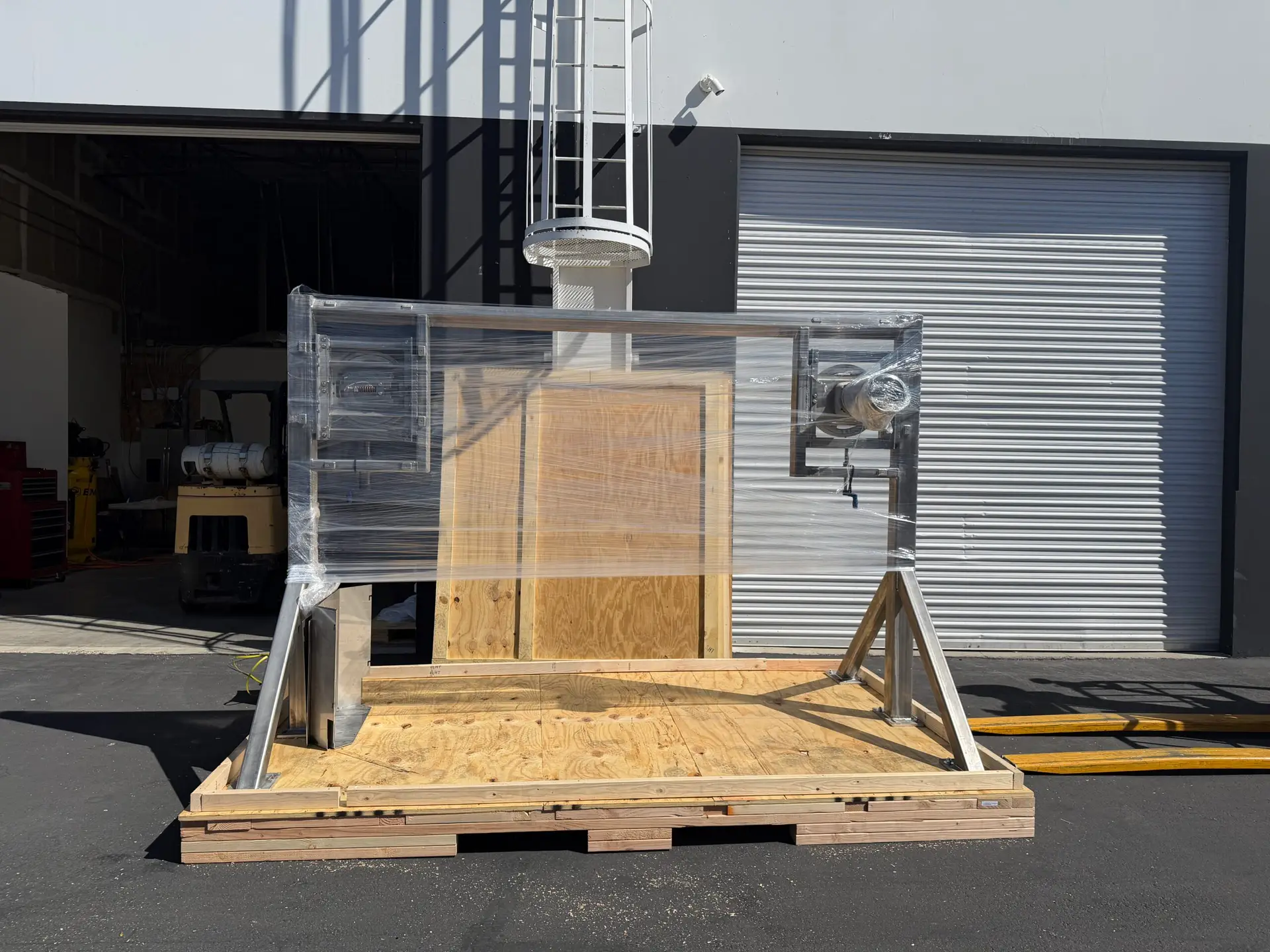
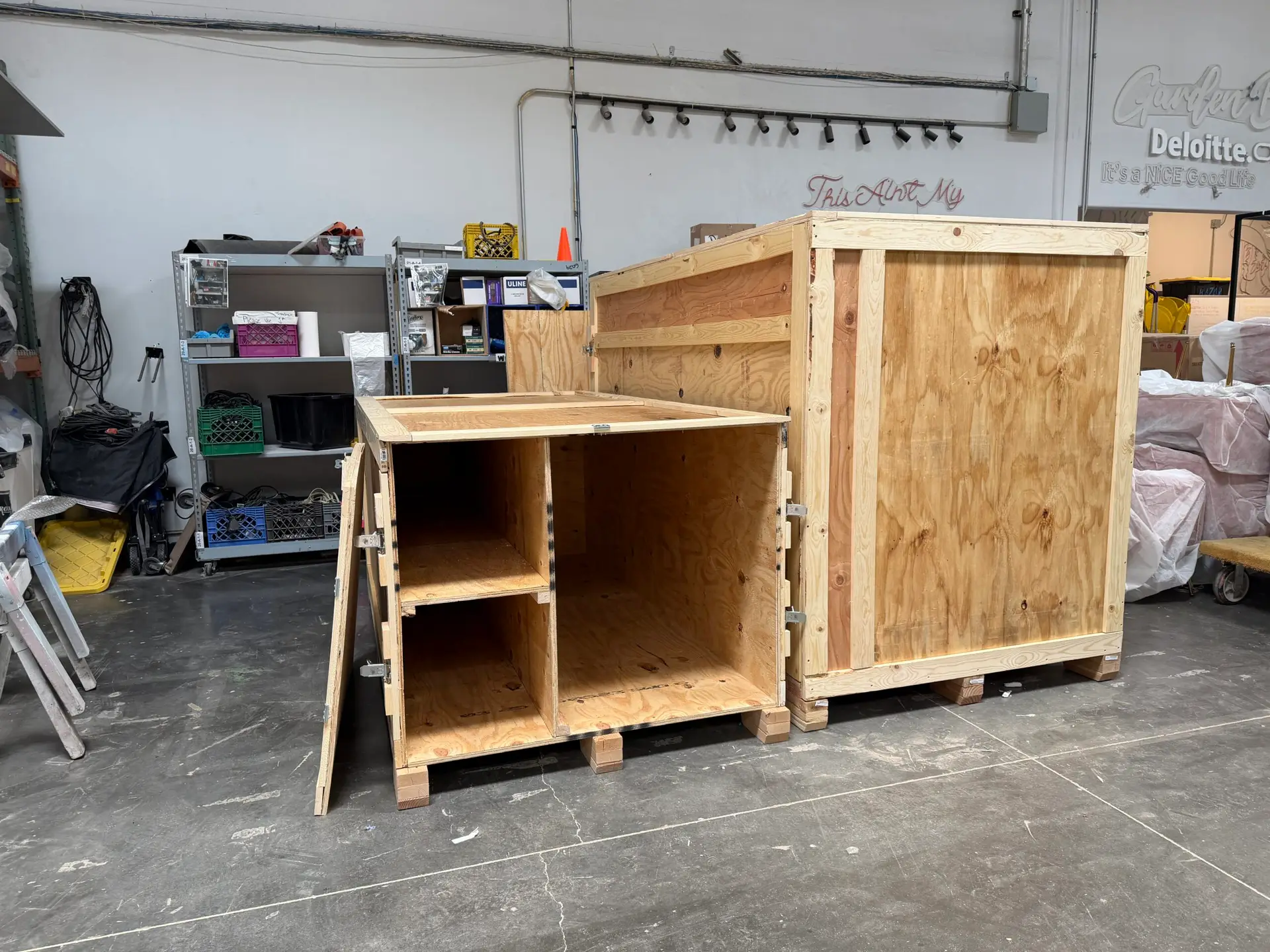
The useful question is not which material is always better. It is what the item needs protection from, where it can safely be supported and how the complete package will be handled.
What foam cushioning is intended to do
Cushioning introduces a designed layer between the item and the surrounding package. Depending on the material and configuration, it can help reduce transmitted shock, limit surface contact or locate individual parts. Foam must be selected for the application; two materials with a similar appearance can behave differently.
More thickness is not automatically better. The equipment's weight, contact area, fragility and expected handling conditions influence the design. Too little support, unsuitable material or excessive compression can leave the item poorly protected. See our overview of custom foam inserts for additional context.
What blocking and bracing are intended to do
Blocking and bracing use structural restraints to limit unwanted movement. They may help transfer loads to appropriate support points and prevent an item from sliding, rotating or tipping within a crate.
Those restraints must contact suitable areas. A rigid block pressing against a display, thin enclosure or precision surface can create a new damage mechanism. The item's manufacturer should identify acceptable support points and any restrictions on clamping or tie-downs.
Compare the job each part performs
| Concern | Planning question |
|---|---|
| Shock-sensitive equipment | What cushioning system is appropriate for the documented fragility and load? |
| Heavy or uneven load | Where can the item be supported and restrained without stressing vulnerable parts? |
| Delicate finish | What compatible contact material will prevent abrasion or marking? |
| Loose accessories | How will each component be separated and retained? |
| Repeated use | How will the team inspect, identify and replace protective components? |
This is a discussion guide, not a material-selection formula. The packer needs enough information to assess the combination of support, restraint and cushioning.
A practical example: a cabinet with an exposed control panel
Consider a hypothetical equipment cabinet with a heavy base and a protruding control panel. The base may provide suitable support locations, while the panel cannot accept pressure. Filling the surrounding space with foam without identifying those differences could load the fragile feature.
A better briefing identifies the permitted support areas, describes the protrusion and provides the manufacturer's handling restrictions. The crating team can then assess how to restrain the cabinet while keeping vulnerable surfaces protected. No universal foam thickness or block arrangement can be inferred from this example.
Seven questions to ask before accepting the packing plan
- Which parts of the item may carry load or accept restraint?
- What movement is the design intended to prevent?
- How will shock-sensitive components be protected?
- Are contact materials compatible with the finish, electronics and storage period?
- Will separate accessories be individually secured?
- What must the receiving team do when opening and unloading the crate?
- What inspection or testing is appropriate for the item's value and transport risks?
Ask the packer to explain the design in plain language and document any customer preparation requirements. If the manufacturer supplies shipping fixtures or transit locks, include that information in the quotation request.
PLAN YOUR SHIPMENT
Match protection to the journey
A local transfer, a multi-stop freight shipment and long-term storage may involve different risks. Provide the transport mode, route, anticipated storage duration and any special handling constraints. Confirm the carrier's current requirements; FedEx's packing resources provide a general starting point.
For a Las Vegas shipment, review our crating services and request an item-specific assessment. Send dimensions, weight, clear photographs and manufacturer handling instructions so the discussion starts with the equipment's needs.
Discuss your crating requirements