Export crating
Global Export Crating Standards: An ISPM-15 Guide
Export crating combines wood-packaging compliance with protection for the item being shipped. ISPM 15 addresses the pest risk associated with raw-wood packaging moving internationally; it does not establish the load capacity or protective performance of a crate.
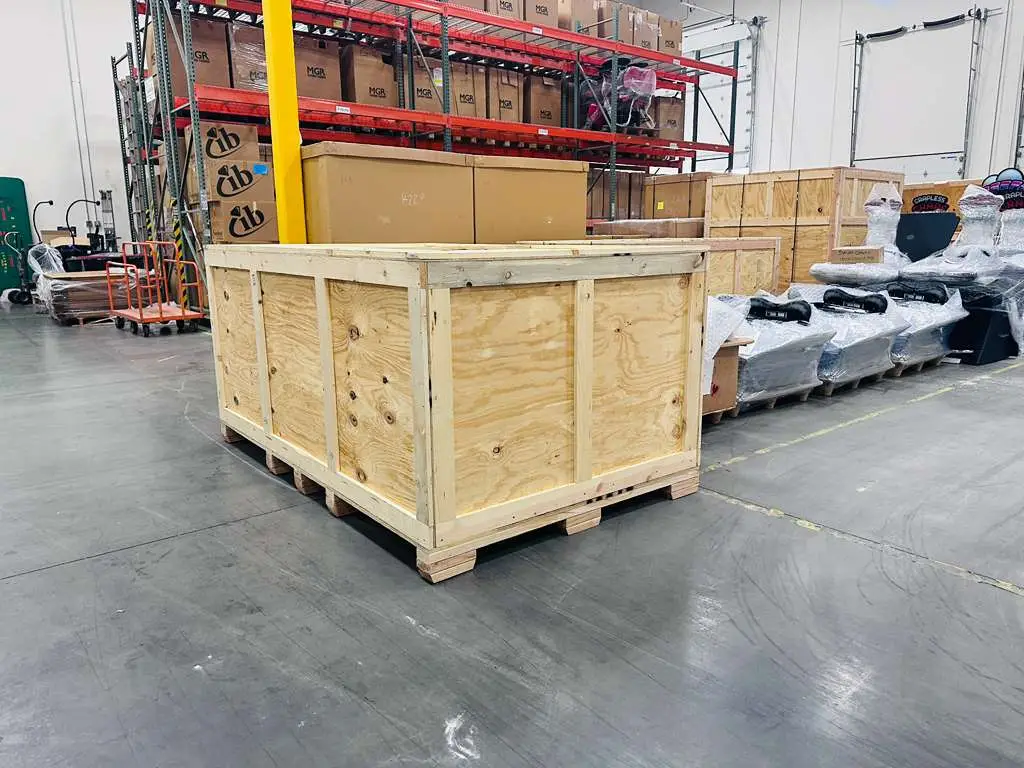
Manufacturers, logistics teams and Las Vegas exporters should plan those two requirements together. This guide covers the standard's fundamentals, treatment choices, crate design, documentation and a practical approach to managing export packaging across suppliers.
ISPM-15 Fundamentals for Exporters
ISPM 15 was developed through the International Plant Protection Convention to reduce the movement of harmful pests in wood packaging. Regulated materials can include solid-wood crates, pallets, packing blocks and dunnage used to secure cargo.
The standard has material exemptions. Packaging made wholly from qualifying processed wood, such as plywood or oriented strand board, is excluded, as is packaging made entirely from thin wood 6 mm thick or less. A package containing solid-wood framing or runners still needs those components assessed. See the official overview of ISPM 15 scope and exemptions.
For regulated packaging, compliance involves the applicable debarking requirements, approved treatment and official marking. The IPPC mark provides the country code, producer or treatment-provider identifier, and treatment code.
Importing countries implement and enforce their own entry requirements. Identify the destination and route before ordering, and have the broker or forwarder confirm any additional conditions. A valid mark does not replace product-specific import requirements or prevent all inspections.
Treatment Methods and Their Limits
Conventional heat treatment uses the HT code. Its minimum schedule is 56°C throughout the wood, including the core, for at least 30 continuous minutes. Treatment facilities must follow the applicable controlled process; the chamber's air temperature alone does not demonstrate that the wood met the schedule.
The standard also includes dielectric heating (DH), methyl bromide fumigation (MB) and sulphuryl fluoride treatment (SF), subject to their specified conditions. Confirm which method the authorized provider uses and whether it is appropriate for the destination. Avoid relying on a blanket claim that only two methods exist or that one method is accepted without conditions everywhere.
Heat treatment uses heat rather than a fumigant. It does not certify that the complete crate is free of coatings, adhesives or other chemicals, and it is not a cleanliness specification for sensitive cargo. Treatment also does not establish moisture content, strength or weather resistance.
For U.S. sourcing, APHIS describes the approved manufacturing and treatment routes. Discuss treatment and marking arrangements with the supplier before fabrication, rather than leaving them until after cargo is packed.
Designing and Procuring Export Crates
Begin with accurate cargo dimensions, weight, center of gravity and the expected transport mode. Include protrusions, delicate surfaces, lifting points and any restrictions supplied by the equipment manufacturer.
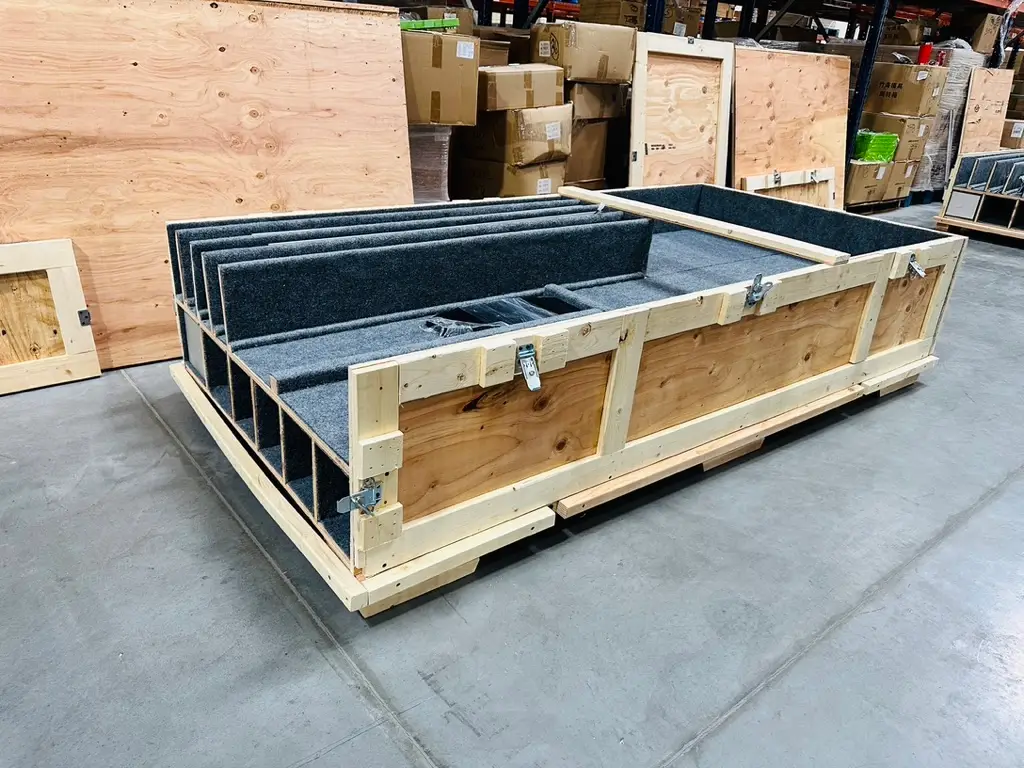
The base must support the load, and internal restraints must keep the item from moving without stressing vulnerable components. Fragile items may require cushioning designed for their weight and sensitivity. Heavy machinery may require a reinforced skid, blocking or attachment to suitable mounting points.
Other design questions include:
- Will the crate fit the planned vehicle, container doors and receiving route?
- Can available forklifts or lifting equipment handle the complete packed load?
- Is stacking allowed, and under what specified load?
- Does the route require a moisture barrier or other environmental protection?
- Will the crate be opened, stored, returned or reused?
Request any required load assessment or testing as part of the scope. Neither an ISPM-15 mark nor a general company certification establishes a particular crate's capacity.
Documentation and Customs Workflows
Keep supplier records and shipment paperwork organized, but distinguish those records from mandatory documents. The IPPC mark is the wood-packaging compliance identifier; a separate treatment certificate is not universally required for every marked crate. APHIS does not issue a phytosanitary certificate for packaging used to carry commodities.
Ask the broker which commercial, transport and product documents are needed for the actual shipment. Packing lists, crate identifiers, gross weights and external dimensions should agree with the freight booking. Records kept by a treatment provider are not automatically documents that must travel with the cargo.
Electronic files or crate serial numbers can help staff retrieve supplier details and resolve a discrepancy. Use them as internal controls. Do not assume a QR code grants customs access to a recognized certification database or replaces a physical mark.
Before dispatch, inspect the complete shipment for required marks, contamination, damaged packaging and unverified wood added at the loading stage. Leave time to correct issues before the truck arrives.
Common Challenges and Practical Controls
Mixed inventory is a recurring risk. A domestic pallet or piece of untreated blocking can be introduced even when the main crate was ordered correctly. Separate packaging by verified status and make that distinction clear to warehouse staff.
For repeated shipments, maintain supplier specifications, inspection responsibilities and a process for handling exceptions. Check replacement materials after repairs, and ask an authorized provider whether remarking or retreatment is needed before reuse.
Training should focus on the actual tasks staff perform: identifying a mark, checking the package, recording a concern and stopping a shipment for review when necessary. Periodically audit those steps and update them when destinations or suppliers change.
Working with a Las Vegas Crating Provider
A local provider can assess cargo dimensions and discuss on-site construction when moving an unpackaged item would be difficult. Confirm the service scope, availability and access requirements instead of assuming every provider offers treatment facilities, storage, customs brokerage or last-minute capacity.
Ask who supplies the treated material, who is authorized to apply the mark, and which party coordinates freight. Provide the forwarder's packaging requirements early. Clear responsibilities help the crating work fit the broader export plan.
Use our ISPM 15 heat-treatment service information when discussing those packaging responsibilities with Crates of Las Vegas.
PLAN YOUR CRATING
Plan Your Next Export Crate
Bring the cargo specifications, destination, route and expected pickup date to the initial discussion. Crates of Las Vegas can review the requested packaging scope and the information needed for a quote.
Contact our team about export crating.
Discuss your crateMORE CRATING GUIDES