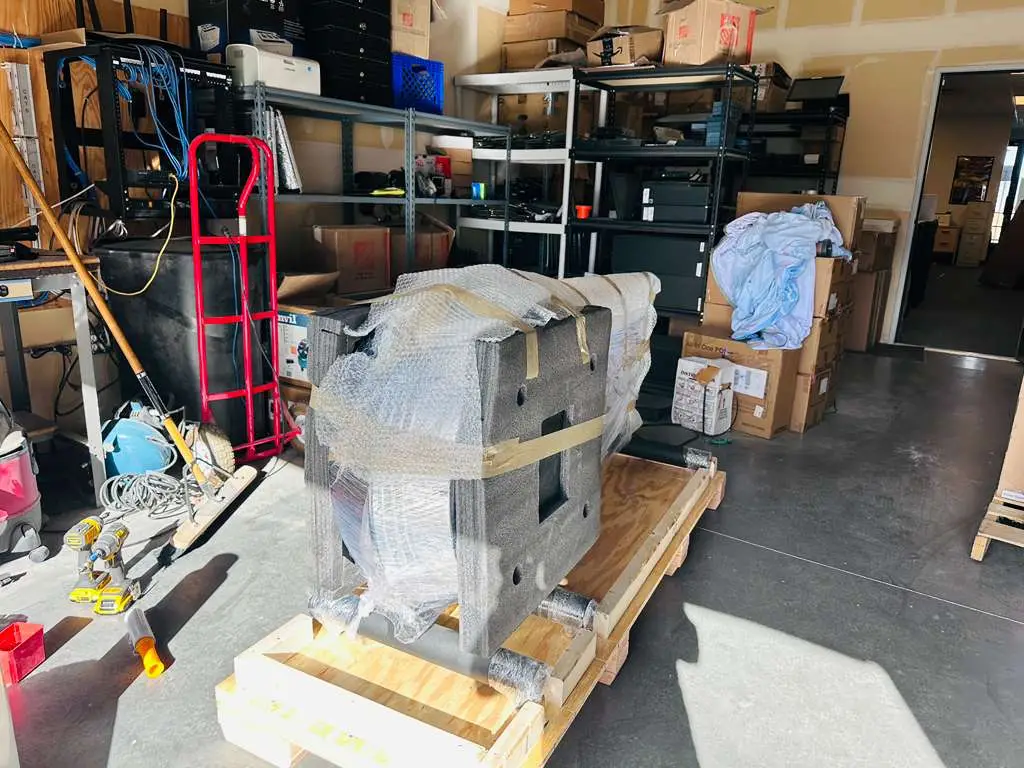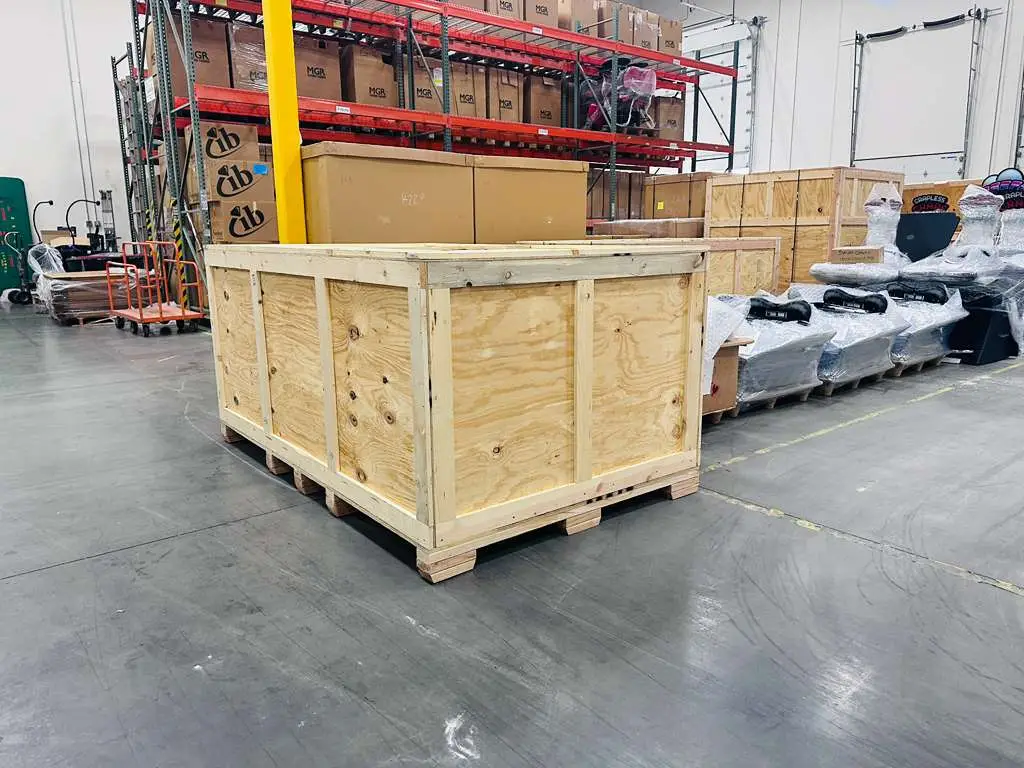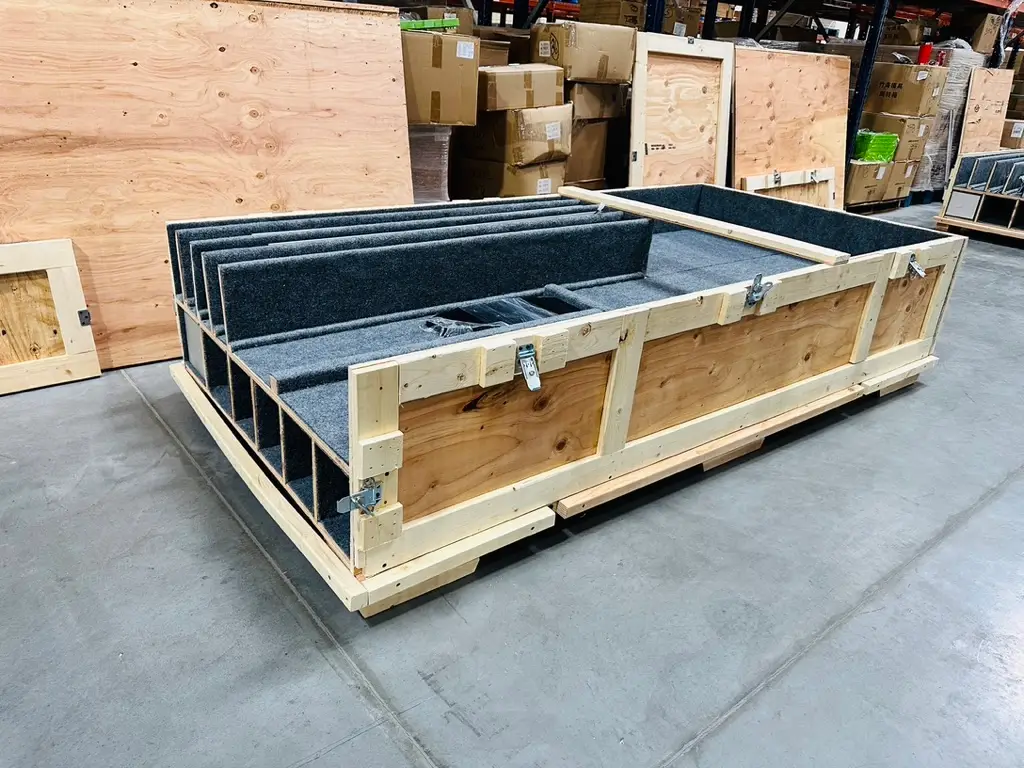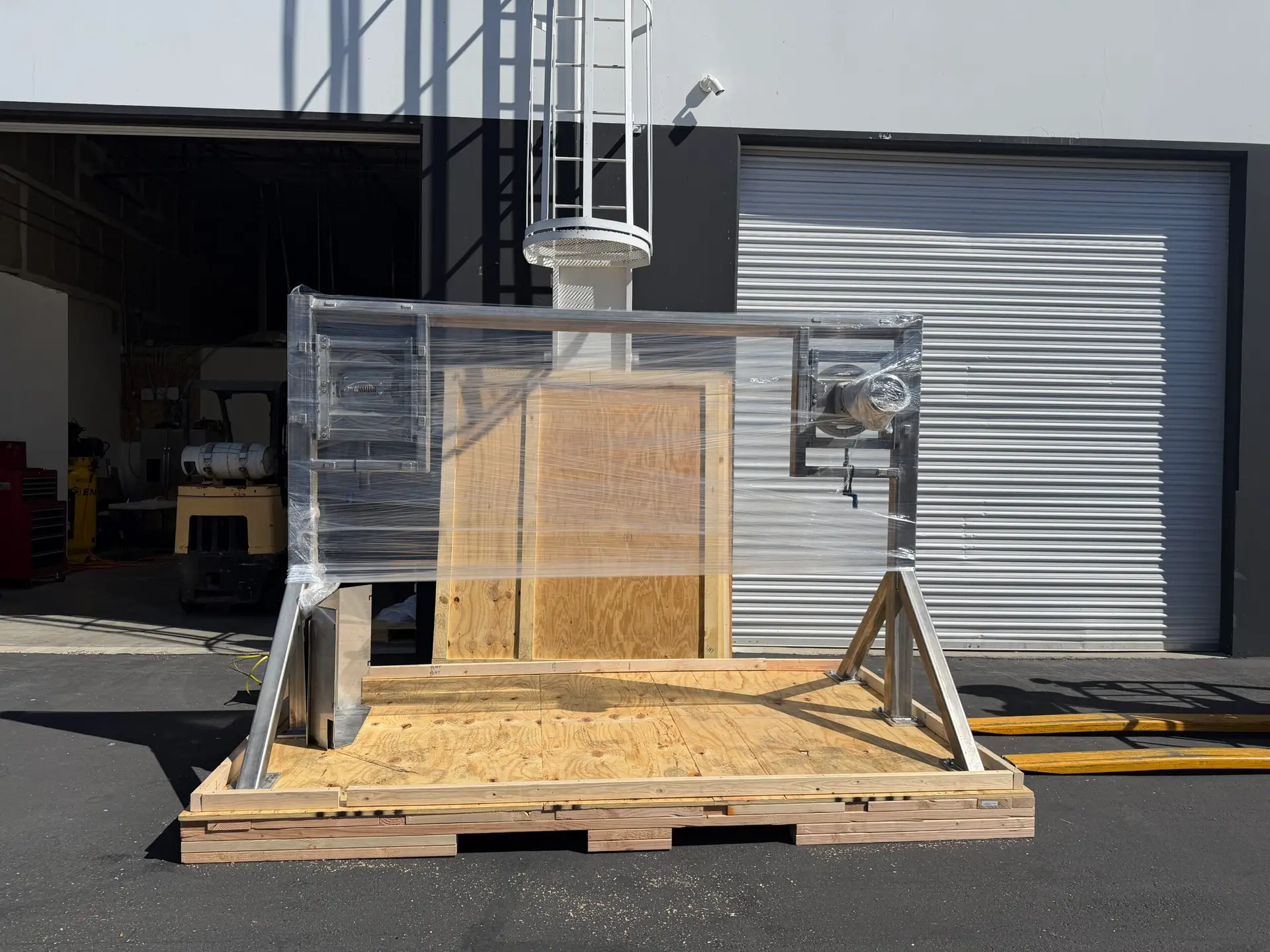
Custom Wooden Crates for Small Business Packaging in Las Vegas
Custom Wooden Crates for Las Vegas Small Businesses — Secure, Made-to-Measure Shipping Solutions
Custom wooden crates are purpose-built packaging that protect your items by matching crate dimensions, internal padding, and structural reinforcement to the object being shipped. For Las Vegas small businesses, properly engineered crates cut transit damage, simplify logistics, and ensure export compliance—making them a dependable choice for high‑value, fragile, or oversized shipments. This guide explains why custom crates often outperform off‑the‑shelf options, how the design and fabrication workflow unfolds, and which services best suit art, medical, and industrial items. You’ll find practical steps for preparing items for crating, a clear overview of how ISPM‑15 affects international moves, and how logistics services like white‑glove delivery and freight forwarding fit with crating solutions. Along the way we include checklists, comparison tables, and concrete examples so you can compare crate options, prepare accurate quote requests, and decide when to hire professional crating. If you need a local partner, we also show how Crates of Las Vegas applies industry best practices to build durable, compliant crates and how to request a quote.
Why Las Vegas Small Businesses Choose Custom Wooden Crates
Custom wooden crates protect goods by matching internal support and cushioning to an item’s exact shape and fragility, which prevents movement and reduces damage during handling and transit. The idea is straightforward: fitted systems—foam inserts, braces, and straps—spread forces and isolate shock so finishes and sensitive components survive freight handling. For small businesses that means fewer replacements, lower claims, and happier customers when items arrive intact and on schedule. Reusable, purpose-built crates also streamline repeat shipments and reinforce a premium brand experience for buyers and collectors.
Key Benefits of Custom Wooden Crates for Small Businesses
Custom crates deliver clear advantages in protection, cost control, compliance, and presentation by combining rigid structure with tailored cushioning to meet specific shipment needs. Enhanced protection comes from reinforced framing, palletized bases, and custom foam that limits vibration and eliminates internal movement. Over time, reusable crates and fewer damage events reduce total logistics costs for repeat shippers and event-based businesses. Compliance is easier when export treatments like ISPM‑15 are part of the design, and a well-built crate improves perceived value for high‑end goods.
- Key benefits to consider:
- Damage Reduction: Tailored cushioning and bracing minimize impact and vibration failures.
- Cost Efficiency: Reusable designs lower per‑shipment costs for recurring moves.
- Regulatory Compliance: Crates can be prepared to meet export rules such as ISPM‑15.
These advantages help you evaluate when professional crating delivers a measurable return compared with generic or improvised packaging. Next, we walk through how the custom crating process works so you can plan timelines and responsibilities.
How We Ensure Quality Craftsmanship and Responsible Materials
At Crates of Las Vegas we prioritize durable materials and careful fabrication so crates withstand freight handling and environmental stress. We use quality wooden panels, reinforced fasteners, and precisely cut interior components—custom foam inserts, braces, and mounting hardware—that together create protection systems matched to each item’s risk profile. Our quality checks include fit verification, documented assembly steps, and a final condition review before dispatch to reduce returns and damage claims. For international shipments we offer treated wood options and coordinate ISPM‑15 stamping as part of the compliance workflow.
Thoughtful material selection and consistent workmanship lower packaging failures and keep crate construction aligned with sustainability and export readiness. The following section breaks down each phase of the crating process so you can set expectations and schedules.
How the Custom Crating Process Works for Small Business Shipments
The custom crating process follows a clear workflow—consultation, design, fabrication, packing, and shipping coordination—that balances client input with engineering controls to deliver reliable packaging. Each phase produces specific deliverables: measurements and photos during consultation, sketches or CAD specs from design, finished components from fabrication, packing documentation during packing, and carrier selection plus paperwork during shipping. Clear handoffs between stages reduce errors and create predictable timelines for project completion.
Steps from Consultation to Delivery
We start with a consultation to capture dimensions, weight, fragility, and any regulatory needs, then develop a design and timeline that match risk and budget. Typical deliverables include a specification sheet, an estimated fabrication lead time, and recommended internal protection like custom foam or vibration‑damping mounts. Lead times depend on complexity but are communicated up front so businesses can schedule shipments, installations, or exhibits. Crates of Las Vegas follows this sequence—consultation → design → fabrication → packing → shipping coordination—as a practical example of best practice.
- Consultation: Capture dimensions, photos, and handling constraints to define scope accurately.
- Design: Produce drawings and select materials to meet protection and compliance goals.
- Fabrication & Packing: Build the crate, fit internal cushioning, and verify protective performance.
These steps clarify responsibilities and timelines, and they point to situations where on‑site crating is the simpler option for large or immovable items.
When On‑Site Crating Makes Sense
On‑site crating avoids the risks and costs of moving oversized or delicate items to a shop by building the crate around the piece in its installed location. That preserves alignment and reduces handling—especially valuable for sculptures, fixed lab instruments, or industrial machinery that are difficult or unsafe to relocate. On‑site assembly lets technicians test bracing and secure mounting points in place, confirming fit and stability before transit. For many small businesses, on‑site crating shortens timelines, reduces labor coordination, and lowers the chance of damage from repeated transfers.
- Advantages of on‑site crating include:
- Reduced Handling: Fewer moves mean less risk of damage.
- Precision Fit: Braces and mounts are matched to the item’s in‑place geometry.
- Time Savings: Avoids scheduling heavy‑lift transport to a workshop.
That logistical convenience connects directly to the specialized services many small businesses need, described next.
Specialized Crating Services We Offer for Small Businesses
Our specialized crating services address the protection, handling, and compliance needs of different industries—fine art, medical equipment, industrial machinery, and trade show logistics—by pairing tailored internal protection with crate structure designed for each use case. Service types vary by cushioning, climate control, reinforcement, and typical turnaround to match an asset’s value and sensitivity. Choosing the right service prevents shipment losses and smooths downstream logistics like freight booking and white‑glove delivery.
Below is a comparison table summarizing key attributes across common specialized service types so you can match protective features and lead times to your item.
| Service Type | Typical Protection Features | Typical Size/Weight Range | Typical Turnaround |
|---|---|---|---|
| Fine Art Crating | Custom foam inserts, shock mounts, climate‑aware packing | Small framed works to large sculptures | 5–14 business days |
| Medical Equipment Crating | Vibration damping, sealed interiors, secure mounting | Portable instruments to heavy diagnostic units | 7–21 business days |
| Industrial Machinery Crating | Reinforced framing, palletized bases, forklift‑ready | Heavy, oversized machinery | 7–30 business days |
Use this table to match your asset with the appropriate crating approach and plan lead times. The next sections give practical detail on art and industrial solutions and explain how to request quotes for each category.
How Fine Art and Fragile Item Crating Protects Work in Transit
Fine art crating focuses on micro‑environment control, archival materials, and custom shock‑absorbing mounts to protect delicate surfaces and finishes during transit and storage. Common techniques include acid‑free interlayers, sealed crates for humidity‑sensitive pieces, and precision foam contours that immobilize frames or three‑dimensional works to prevent shear. Transport planning extends to handling instructions, climate‑controlled carriers, and cushioning that minimizes vibration on long hauls. For galleries and small art businesses, these practices help artwork arrive gallery‑ready and reduce restoration or replacement costs.
- Fine art crating focuses on:
- Archival Materials: Acid‑free packing and protective interlayers.
- Custom Mounts: Precision foam cuts and shock mounts for fragile elements.
- Climate Awareness: Sealed crates or desiccants for humidity‑sensitive works.
These museum‑grade practices explain why specialized crating often outperforms generic packing for valuable or delicate pieces.
Solutions for Medical Equipment and Industrial Machinery
Crating for medical devices and industrial equipment emphasizes structural reinforcement, secure internal bracing, and vibration isolation to protect precision components and heavy assemblies during transit and installation. Designs typically include palletizable bases, forklift‑accessible skids, and interior frames or straps to prevent shifting. Sensitive electronics get sealed compartments and anti‑static materials; heavy machinery receives reinforced ribs and external blocking for lifting points. The right mix of materials and handling features ensures safe transport and simplifies onsite reinstallation, inspection, or calibration after arrival.
- Key protective strategies:
- Palletized Bases: Simplify forklift handling and reduce handling damage.
- Vibration Control: Damping mounts protect delicate internal components.
- Reinforced Frames: Prevent deformation under heavy loads.
After selecting a service type, many businesses ask about export readiness—specifically ISPM‑15 certification—so the next section explains that standard and its implications.
How ISPM‑15 Certification Affects International Shipping
ISPM‑15 is a global phytosanitary standard that requires wood packaging used in international trade to be treated and stamped to prevent the spread of pests. Compliance typically means heat treatment or approved fumigation of raw wood components, followed by a visible ISPM‑15 stamp that customs officials use to verify treatment. For exporters, using certified crates avoids costly rejections, quarantines, or treatment delays at destination ports and keeps customs clearance moving smoothly.
What ISPM‑15 Requires and Why It Matters
ISPM‑15 (International Standards for Phytosanitary Measures No. 15) sets treatment and marking rules for wood packaging to limit pest transmission across borders. The standard mandates either heat treatment to a specified core temperature or an approved fumigation process, and treated pieces carry a standardized stamp identifying treatment type and origin. Non‑compliant wood packaging can trigger quarantine, on‑site treatment, or denial of entry—creating extra cost and delay—so addressing ISPM‑15 during crating design prevents last‑minute rework.
- Why ISPM‑15 matters:
- Prevents Pest Spread: Protects forests and agriculture in importing countries.
- Avoids Delays: Certified crates clear customs more smoothly.
- Reduces Costs: Prevents ad‑hoc treatment or destruction at ports.
Given these realities, it’s essential to include ISPM‑15 during planning for international shipments. The next section explains how we handle certification for global moves.
How Crates of Las Vegas Delivers ISPM‑15‑Compliant Crates
We offer ISPM‑15‑compliant options by supplying treated wood components and coordinating the required stamping as part of our design and fabrication workflow—so certification isn’t an afterthought. When you request international transport, we advise on treatment requirements and documentation so crate construction, paperwork, and carrier selection align with destination rules. That support lowers the risk of customs holds and simplifies export logistics for small businesses that don’t have in‑house export expertise. Specifying ISPM‑15 during the consultation ensures treated materials and visible certification markings are included from the start.
This capability shows how local knowledge and export compliance work together to speed global shipments and protect both goods and regulatory standing.
| Certification | Requirement | Impact on Shipping |
|---|---|---|
| ISPM‑15 Heat Treatment | Heat‑treat wood to required core temperature; apply stamp | Prevents pest delays; required by many countries |
| ISPM‑15 Fumigation | Approved fumigation process; apply stamp | Alternative to heat treatment for some materials |
| Non‑compliance | Untreated wood or missing stamp | Risk of quarantine, treatment, or rejection at port |
This table clarifies treatment options and consequences so exporters can make informed choices before fabrication begins. The following section covers downstream logistics that pair with crating solutions.
Shipping and Logistics Solutions That Support Small Business Packaging
Crating is one piece of a successful shipment—coordinating carriers, insurance, and delivery options ensures crates arrive safely and reach final installation without surprises. Common logistics tied to crating include local pickup, LTL or FTL freight booking, international freight forwarding, and optional white‑glove delivery for inside placement. Choosing carriers by cost, transit time, and item sensitivity optimizes the end‑to‑end chain, while declared‑value and freight insurance protect against loss or damage in transit.
How We Coordinate Local and International Shipping
We advise on carrier selection—parcel, LTL, FTL, or ocean freight—based on crate dimensions, weight, and destination, and we prepare the required documentation for international moves. Our coordination covers packaging verification, freight class selection for LTL, palletization for multi‑piece shipments, and export paperwork when ISPM‑15 is needed. These steps reduce handling errors and prevent common delays tied to incorrect freight class or incomplete documentation. For small businesses, this replaces time‑consuming vendor management with a single point of packaging and shipping expertise.
- Carrier coordination steps:
- Assessment: Determine carrier type by size, weight, and destination.
- Documentation: Prepare shipping documents and customs paperwork.
- Booking & Tracking: Schedule pickup and monitor transit milestones.
These logistics functions preserve the protection built into the crate through transit and final delivery.
Advantages of White‑Glove and Coordinated Delivery Services
White‑glove delivery handles inside placement, unpacking assistance, and debris removal—services that reduce final‑mile handling risks and improve the recipient’s installation experience. This premium handling is especially valuable for fragile art, sensitive medical equipment, and heavy machinery that require careful positioning or calibration after delivery. Coordinating delivery timing with on‑site resources—installation crews, technicians, or exhibit staff—avoids storage fees and idle labor. For small businesses, pairing white‑glove service with custom crating shortens teardown time and speeds revenue realization after shipment.
- White‑glove benefits:
- Reduced Damage Risk: Professional handlers perform inside placement.
- Improved Experience: Items arrive ready for use or display.
- Operational Efficiency: Synchronized delivery avoids downtime and storage costs.
With logistics explained, the next practical step is preparing a quote request; we outline what to include so fabricators can respond quickly and accurately.
How to Request a Custom Wooden Crate Quote in Las Vegas
Getting an accurate custom crate quote starts with clear technical information and supporting materials so fabricators can estimate materials, labor, and lead times. Essential details are physical measurements, exact weight, photos from multiple angles, notes on fragility and handling, and the shipment destination with any regulatory considerations like export needs. Including target shipment dates and required services (on‑site crating, white‑glove, ISPM‑15) and any installation constraints speeds the quoting process and reduces revision cycles. Supplying this information up front enables a faster, more accurate response and helps match protection and logistics to your objectives.
Information Needed for an Accurate Custom Crate Quote
To receive a timely and precise quote, prepare a checklist of technical and logistical details that answers common fabricator questions. Provide measurements (length × width × height), exact weight, photos showing mounting points or fragile areas, preferred delivery date, and whether international shipping or ISPM‑15 certification is required. Also specify whether you need on‑site crating, trade show reuse, or white‑glove delivery so estimates include reuse options and handling labor. Submitting complete information reduces back‑and‑forth and leads to predictable timelines.
- Quote preparation checklist:
- Dimensions & Weight: Exact measurements and gross weight.
- Photos & Description: Multiple‑angle images and fragility notes.
- Destination & Services: Delivery address type and required services.
Providing these items helps fabricators produce an accurate, binding estimate and aligns expectations for turnaround.
What Clients Say About Crates of Las Vegas
Local clients commonly praise on‑time delivery, reduced damage, and clear communication throughout the crating and shipping process. Art dealers report fewer restoration needs after transit, medical suppliers note smoother installations, and industrial customers value forklift‑ready packaging for heavy units. These practical outcomes reflect the value of tailored interior protection, reinforced crate construction, and coordinated logistics. When comparing providers, look for the same outcome metrics—damage rates, lead‑time adherence, and documented handling procedures.
- Common positive outcomes:
- Reduced Damage Incidence: Fewer claims and replacements after using custom crates.
- Predictable Timelines: Better alignment of shipping with installation or exhibitions.
- Simplified Coordination: Single‑point management of crating and shipping tasks.
These examples show the real‑world benefits of professional crating and help set expectations when requesting quotes or planning shipments.
| Process Phase | Deliverables | Expected Timeframe |
|---|---|---|
| Consultation | Measurements, photos, scope | 1–3 business days |
| Design | Drawings, materials spec | 1–4 business days |
| Fabrication & QA | Built crate, fit check, documentation | 3–14 business days |
This process table clarifies when each milestone typically occurs and helps you schedule exhibitions, installations, or export deadlines. With these guidelines, small businesses can plan protective packaging and logistics confidently and request accurate quotes from qualified providers like Crates of Las Vegas, which brings local expertise, craftsmanship, ISPM‑15 options, and shipping coordination into a single service offering.
Frequently Asked Questions
What kinds of items are best for custom wooden crates?
Custom wooden crates are best for fragile, high‑value, or oversized items—think fine art, medical devices, industrial machinery, and sensitive electronics. Because the internal structure is engineered to an item’s shape and fragility, custom crates provide protection that generic packaging can’t match. If an item needs extra care during shipping, custom crating is worth considering.
How should small businesses prepare items for crating?
Start by cleaning and inspecting items for existing damage, then document dimensions and weight accurately. Take clear photos from multiple angles and note any fragile areas or special handling instructions. That information helps the crating team design appropriate supports and speeds the quoting process.
What turnaround time should I expect for custom crate fabrication?
Turnaround varies with complexity. Typical fabrication takes roughly 3 to 14 business days after consultation and design. Specialized items—medical gear or museum‑grade art—may extend the timeline to accommodate extra protective features or compliance steps. Discuss your schedule during consultation so we can align lead times with your deadlines.
Are there environmental considerations when using wooden crates?
Yes. Many providers, including Crates of Las Vegas, prioritize responsibly sourced wood and reusable crate designs to reduce waste. Ask about material sourcing and reuse options to ensure your packaging choices match your sustainability goals.
What should businesses do when shipping internationally?
Ensure wooden crates comply with ISPM‑15—treatment and stamping requirements that prevent pest transmission. Work with a crating provider familiar with export rules who can supply ISPM‑15‑compliant materials and help prepare export documentation. Early planning and clear communication avoid delays at customs.
How can businesses evaluate the quality of a crating provider?
Look for customer reviews that mention reliability, communication, and damage prevention. Ask about materials, workmanship standards, and ISPM‑15 compliance. A good provider should explain their consultation → design → fabrication process, offer transparent pricing, and provide realistic timelines. Comparing a few providers helps you find the right fit for your needs.
Secure Crates Of Las Vegas - Custom Crating - Wooden shipping crates
Custom wooden crates give Las Vegas small businesses targeted protection, long‑term cost savings, and compliance with shipping rules so valuable items arrive safely and intact. Choosing specialized crating improves customer experience and reduces logistical headaches. To see how custom crating can meet your needs, contact Crates of Las Vegas for a personalized quote and next‑step advice. Start the conversation and protect your next shipment with confidence.