LAS VEGAS · CRATING GUIDE
How Custom Packaging Improves the Customer Experience
A customer's experience with a shipment begins before the product is in use. They have to receive it, identify its parts, open the packaging and decide what to keep. Custom packaging can make those steps more manageable while giving the product a consistent presentation.
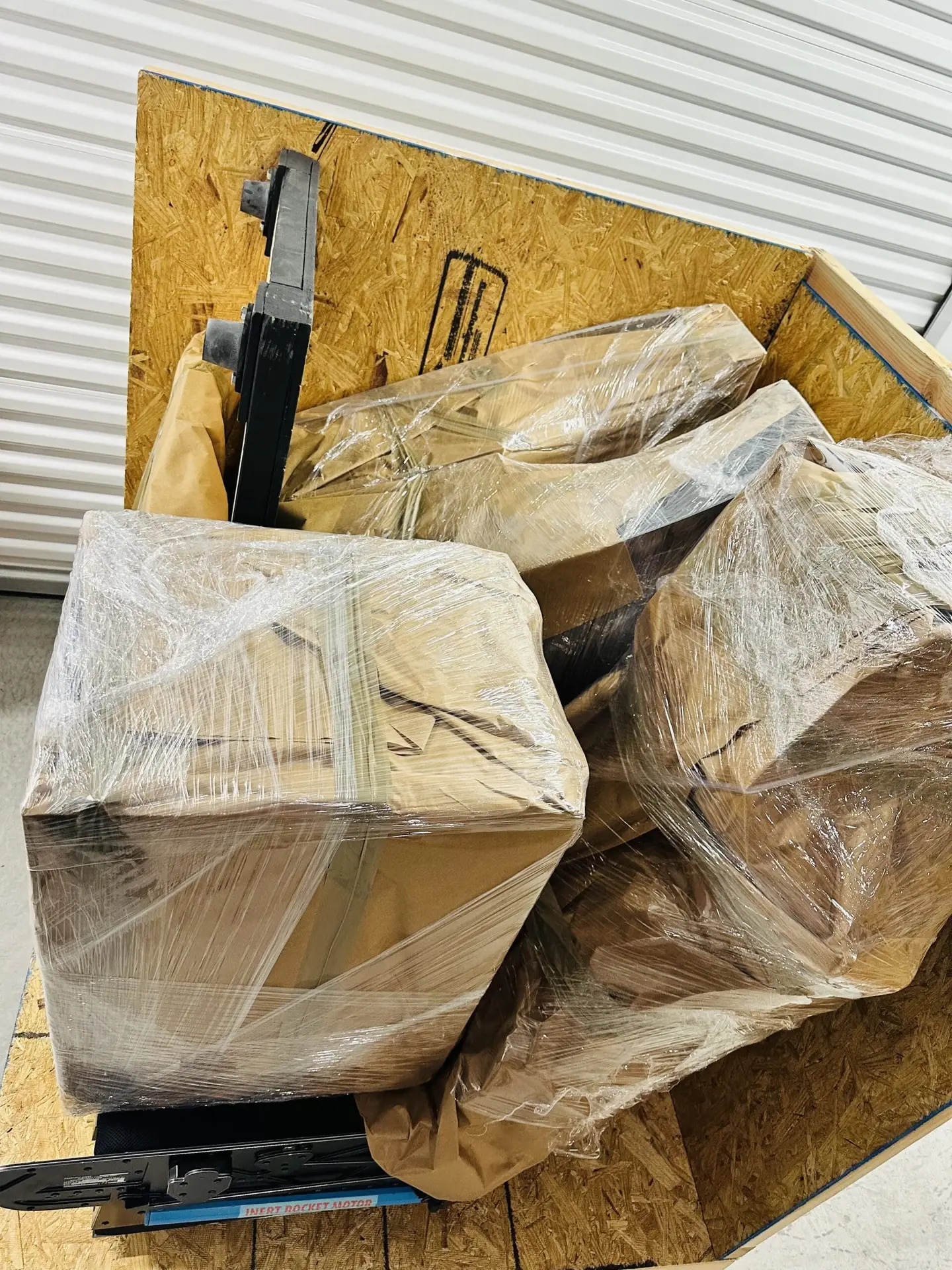
For bulky, fragile or high-value items, the most useful starting point is the receiving environment. A beautifully presented crate still creates problems if it arrives at a location without the equipment needed to unload or open it.
Connect the package with the product
Brand colors, labeling and product information should be recognizable and readable. They can help the recipient identify the right shipment and understand how the contents fit together. Keep essential handling instructions separate from promotional copy.
Decide which surfaces people will actually see. A restrained exterior with a clearly organized interior may suit a freight delivery better than elaborate decoration that gets covered by carrier labels. Review available options through the custom-packaging service before finalizing artwork.
Design an unboxing process people can follow
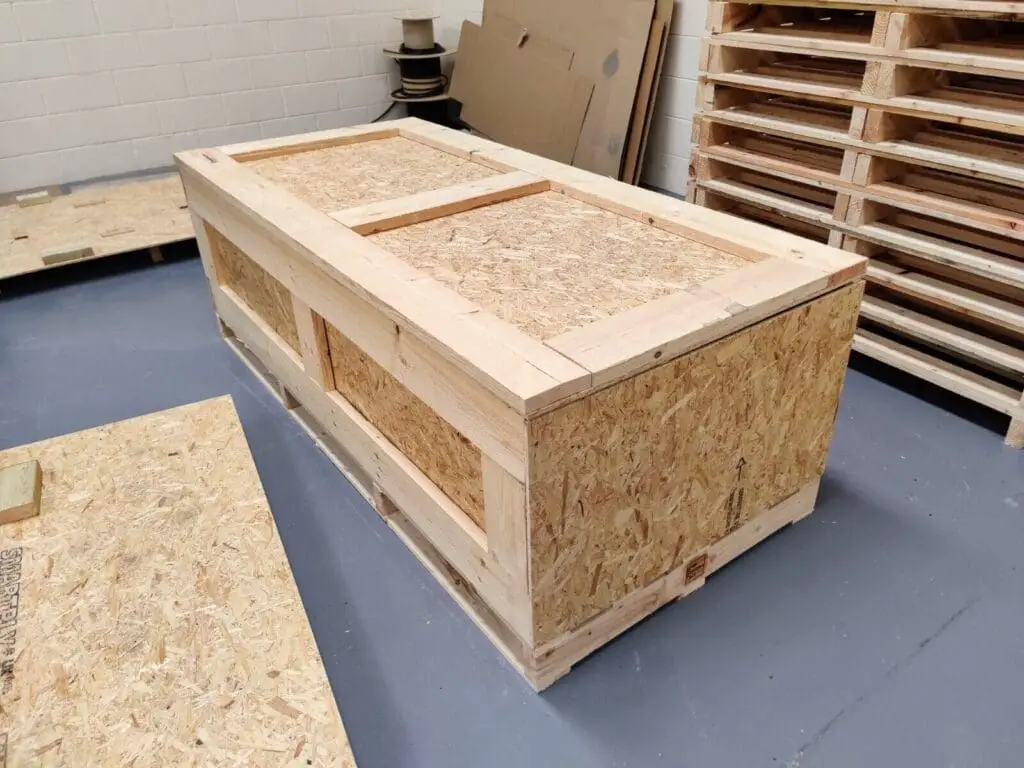
For a large crate, unboxing is a handling task as well as a presentation moment. Think through the sequence from arrival to final placement.
- Confirm the unloading method and the route from the delivery point to the installation space.
- Identify the opening panel, necessary tools and any lifting instructions.
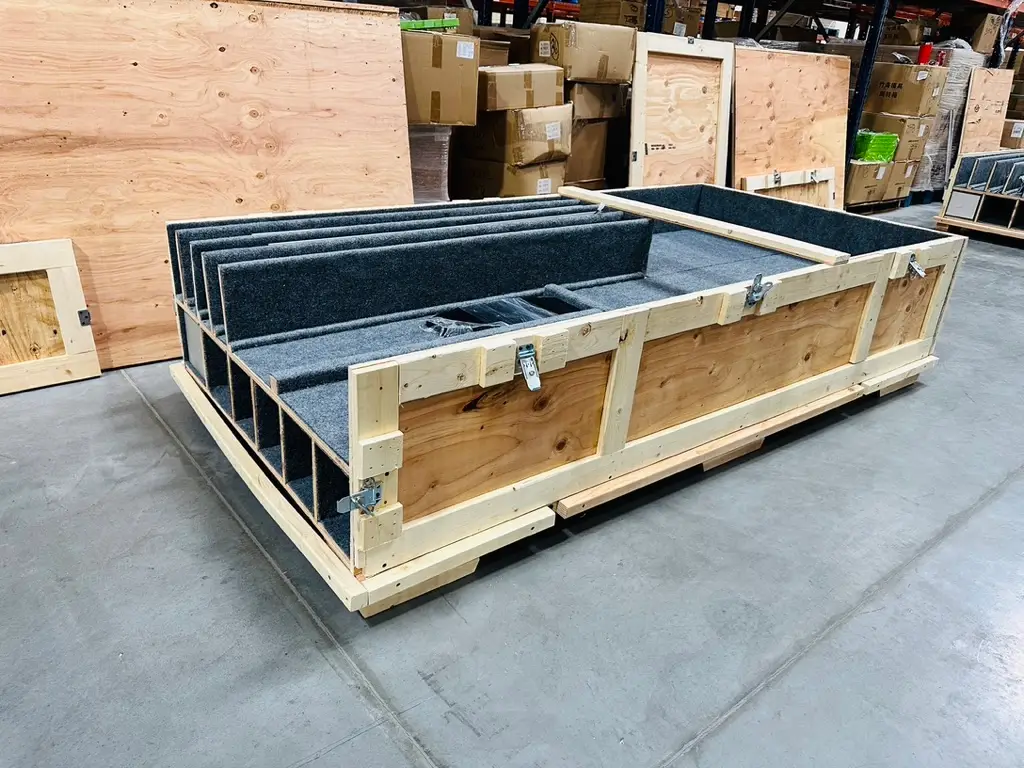
- Label loose parts and provide an inventory that matches the package.
- Show where the item can be handled safely and which supports should remain in place until unloading.
- Include a clear route for reporting missing components or a delivery problem.
Test the instructions with someone who did not pack the shipment. Their questions can reveal assumptions that the design team has missed.
Give recipients realistic reuse and disposal choices
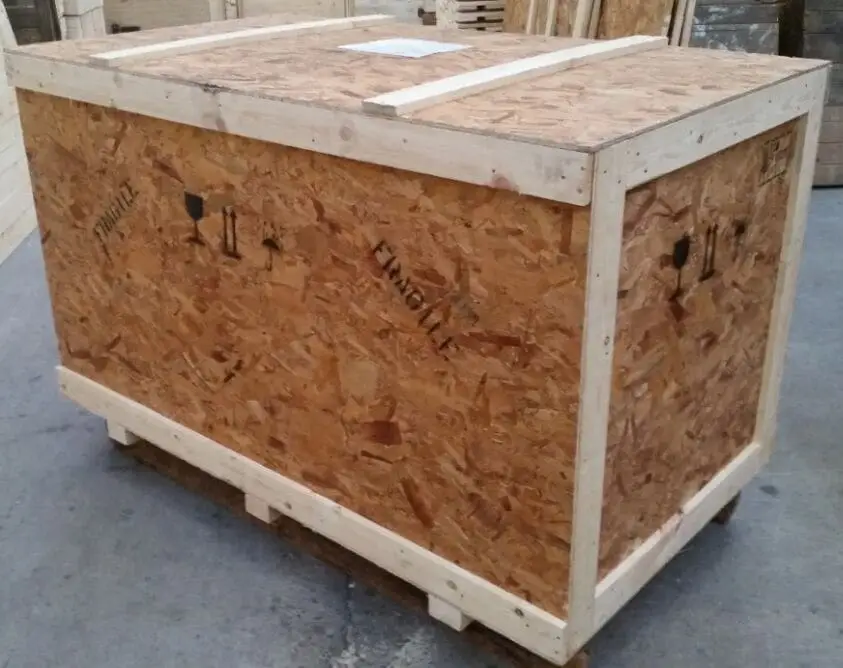
If the crate is intended for return shipping, explain what to save and how to repack it. Numbered inserts and a simple diagram can make the next packing job less confusing. For one-way deliveries, avoid adding decorative layers without a practical purpose.
Ask the recipient what materials their local recovery service accepts. Wood, foam, film and fasteners may need different handling. The EPA's waste-management guidance supports reducing unnecessary material and planning for reuse.
Personalize information that helps the customer
Useful personalization can be as simple as a project name, component number or installation-room label. For multi-piece orders, matching labels on the packing list and internal compartments can help the customer find what they need.
Use customer information sparingly on the outside of the package. A private message or product note can stay inside. Keep names and branding accurate, and confirm any custom text before production rather than assuming it reflects the recipient's preferences.
Measure the practical experience
Packaging does not automatically increase loyalty or sales. Evaluate the result using a small set of observations that are relevant to the shipment:
- Were the goods received in the expected condition?
- Could the recipient find instructions and accessories?
- How long did unpacking and setup take?
- Which questions required support calls?
- Was the return packing complete and usable?
Compare similar shipments where possible and record what changed. A clearer label may solve a problem more effectively than a more expensive finish.
PLAN YOUR CRATING
Build a better delivery handoff
Tell Crates of Las Vegas what you are shipping, who will receive it and what happens after arrival. Include any installation, presentation or return-trip requirements so the packaging discussion covers the customer's actual next steps.
Discuss your crating projectMORE CRATING GUIDES