

LAS VEGAS · CRATING GUIDE
Which Las Vegas Industries Use Custom Crating?
Custom crating is useful when an item's size, weight, fragility or handling needs make standard packaging a poor fit. In Las Vegas, those needs appear across trade shows, art, medical equipment, manufacturing and hospitality. Each industry has a different reason to plan the package carefully.

The best starting point is the shipment itself: what can be damaged, how the item will be handled and what the receiver needs. An industry label alone does not determine the right crate.
Trade shows and exhibitions
Exhibit shipments can include display panels, screens, product samples, furniture and small assembly parts. A crate with an organized packing plan can keep those components separated and help the booth team find them in the right order.
For repeat events, discuss reusable access panels, a packing diagram and an inventory. Confirm the show's delivery and return instructions separately; a reusable crate still needs inspection and correct repacking before each journey.
Fine art and antiques
Artwork and antiques may have fragile surfaces, weak joints or projecting details that should not carry pressure. Their condition matters as much as their dimensions. Ask an appropriate conservator about unstable or especially sensitive pieces before arranging transport.
The Canadian Conservation Institute's painting-travel guidance emphasizes condition assessment and preparation. Discuss support, compatible wrapping and the environment along the route. A crate alone should not be described as climate-controlled.

Medical and laboratory equipment
Sensitive instruments need a plan based on manufacturer instructions, approved support points and any environmental limits. Separate accessories, document the contents and identify who will prepare the equipment before collection.
The receiving facility should arrange the required technical inspection and setup. Packaging can help protect the device during a move, but does not establish that it is calibrated, sterile or ready for use on arrival.
Aerospace and manufacturing components
Industrial shipments can combine heavy frames with delicate controls, machined surfaces or irregular shapes. The base, restraints and handling access need to suit the load. A component's gross size may reveal little about its center of gravity or safe lifting points.
Provide engineering or manufacturer handling information where available. Confirm the transport mode, finished package weight and receiving equipment with the freight team; do not treat a standard crate as a universal solution for every machine.
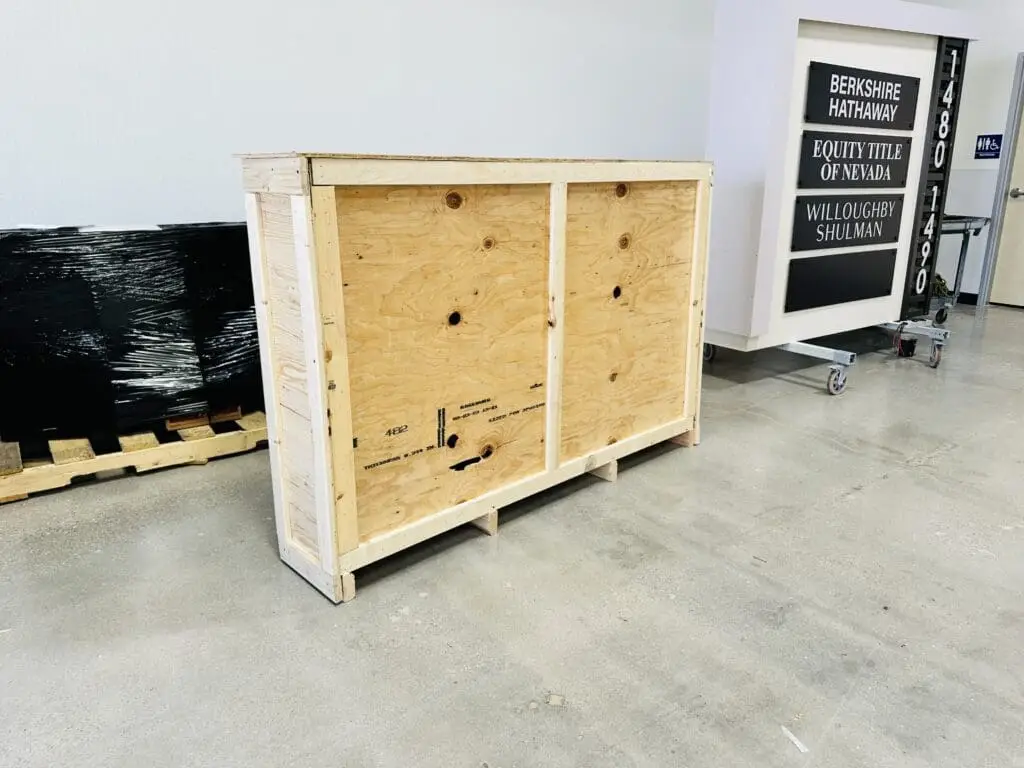
Hospitality, furniture and décor
Hotel and interior projects often involve finished furniture, lighting, mirrors and artwork that must arrive in an organized sequence. Protecting exposed finishes and separating parts can matter as much as the strength of the outer enclosure.
Include room or installation references in the inventory, and plan access through the receiving dock, elevators and doors. If installation is scheduled later, confirm the storage arrangements and environmental conditions rather than assuming storage is included.
Prepare a useful crating brief
Across these industries, a clear brief makes it easier to discuss the appropriate scope:
- Item description, quantity, dimensions and weight
- Photos and known vulnerabilities or special handling instructions
- Origin, destination and planned transport method
- Pickup and delivery access, dates and contact people
- Reuse plans and any export packaging requirements
Crates, internal packing, freight and installation are distinct parts of a project. Confirm what is included instead of assuming that one quote covers every stage.
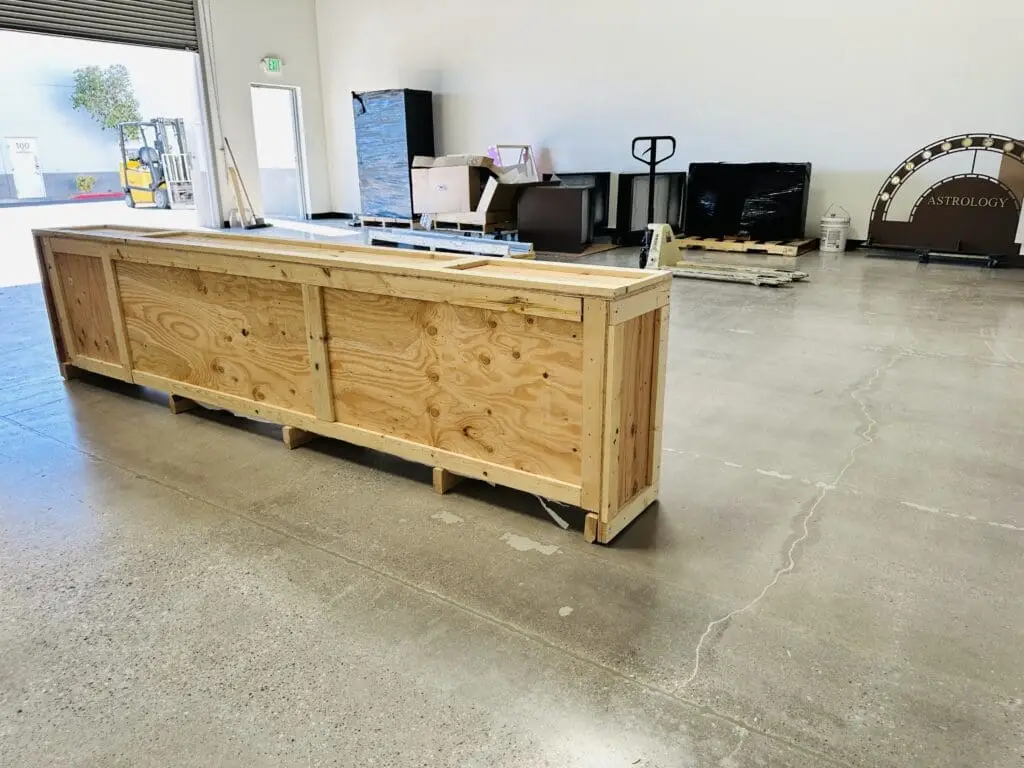
PLAN YOUR CRATING
Find a crating approach for your shipment
Contact Crates of Las Vegas with your item details and shipping plan. Whether the project involves an exhibit, a piece of art or business equipment, the discussion should begin with the protection and handling the shipment actually needs.
Discuss your crating projectMORE CRATING GUIDES




