

LAS VEGAS · CRATING GUIDE
How Crates of Las Vegas Plans Protection for Valuable Items
Protecting a valuable item starts with understanding what makes it vulnerable. A fragile finish, a sensitive component or an awkward center of weight can change the packing plan even when the object appears straightforward to move.
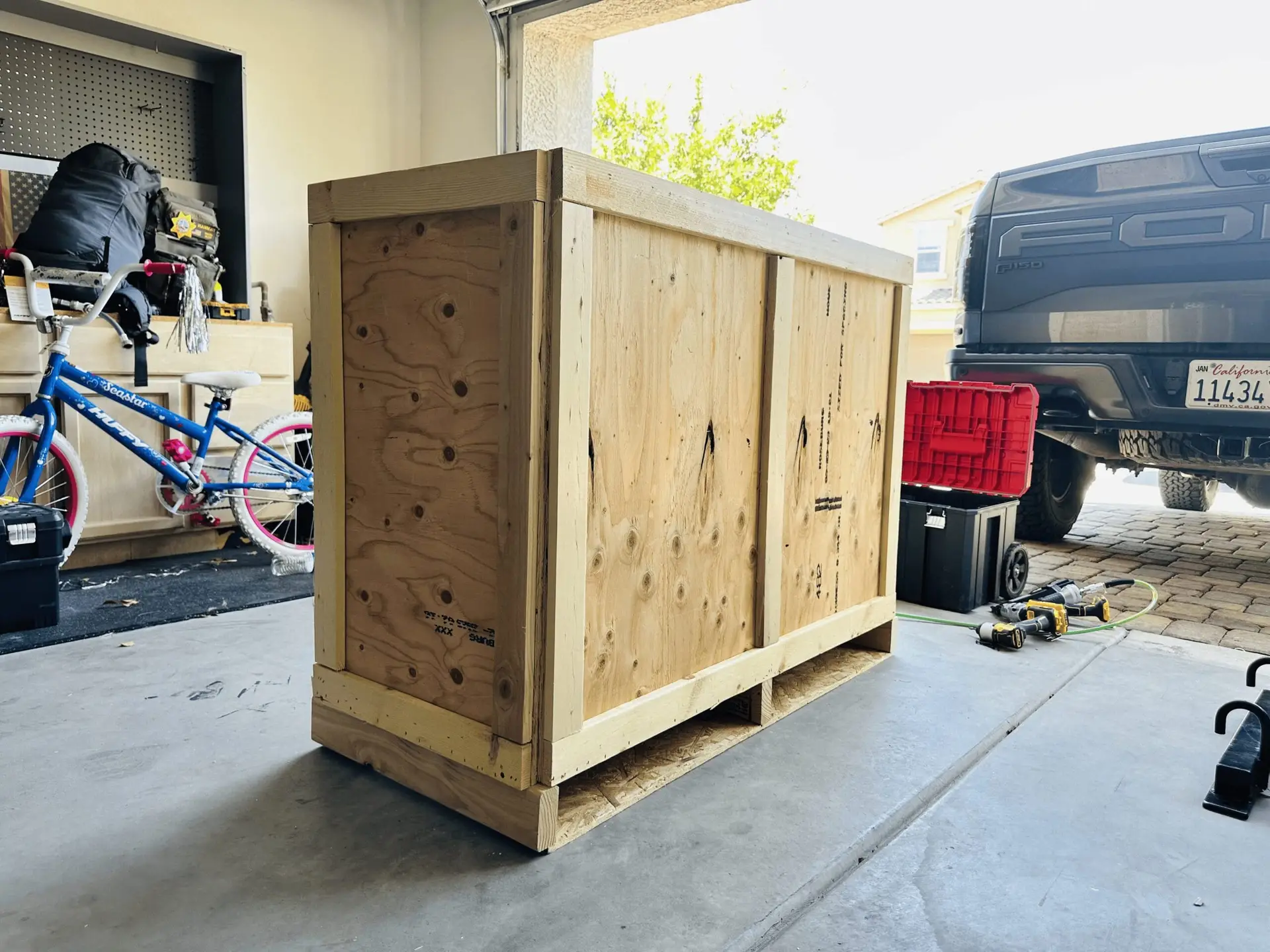
Crates of Las Vegas provides item-specific crating and packing. To make that service useful for your shipment, bring together the object's requirements, the transport route and the conditions at delivery before construction begins.
Document the object before packing
Photograph the item from several sides and record its condition. Include details of loose parts, existing repairs and delicate surfaces. Provide dimensions and reliable weight information, with the units stated clearly.
For artwork or antiques, seek specialist guidance if the object is unstable or its finish is uncertain. For medical devices, electronics and machinery, obtain the manufacturer's transport instructions and identify any preparation that an authorized technician must complete.
Agree on safe support and contact
The packing discussion should identify where the object can carry load and where contact must be avoided. Internal blocks, braces or fitted supports need to match those locations. Cushioning is then selected as part of the overall protection plan.
The Canadian Conservation Institute's physical-forces guidance explains why planning, restraint and handling all contribute to protection. No enclosure can make transport risk disappear.
Review the route and environmental needs
Tell the provider about expected transfers, storage stops and any sensitivity to temperature or moisture. Ask which risks the quoted package addresses and which need a different transport or storage arrangement.
If a condition indicator or logger is proposed, confirm what it records and who reviews it. Treat it as information within a handling plan, rather than a substitute for physical protection or proof of responsibility for damage.
Separate export packaging from other obligations
For international shipments, discuss whether the route requires ISPM 15-compliant wood packaging. Treatment and marking address plant-pest risk; they do not establish load capacity, customs clearance or the item's import eligibility.
Consult APHIS export wood-packaging guidance and have the carrier or broker confirm the current destination requirements. Review shipping documents and any insurance needs separately.
Confirm the handoff before collection
- Check the item and accessory inventory against the agreed scope.
- Record the packing arrangement and the closed crate.
- Confirm external dimensions, gross weight and package identifiers.
- Give the recipient the opening sequence and equipment requirements.
- Identify who handles delivery questions or a discrepancy.
A valuable shipment deserves a clear division of responsibilities. Ask whether the quote covers only the crate, complete packing, on-site work or transport coordination. The receiving team should know what it must provide.
PLAN YOUR CRATING
Start with the details that matter most
Explore custom crating and contact Crates of Las Vegas with your photographs, measurements and destination. Include manufacturer or conservator instructions and the required arrival date so the proposed protection can be reviewed against the full journey.
Discuss your crating projectMORE CRATING GUIDES




