LAS VEGAS · CRATING GUIDE
Custom Crate Design: Materials, Fit and Practical Choices
A custom crate starts with the item it will carry. Its dimensions, weight, vulnerable areas and shipping route determine what the enclosure and internal packing need to do. Good design turns those requirements into a crate that can be loaded, handled and opened in a practical way.
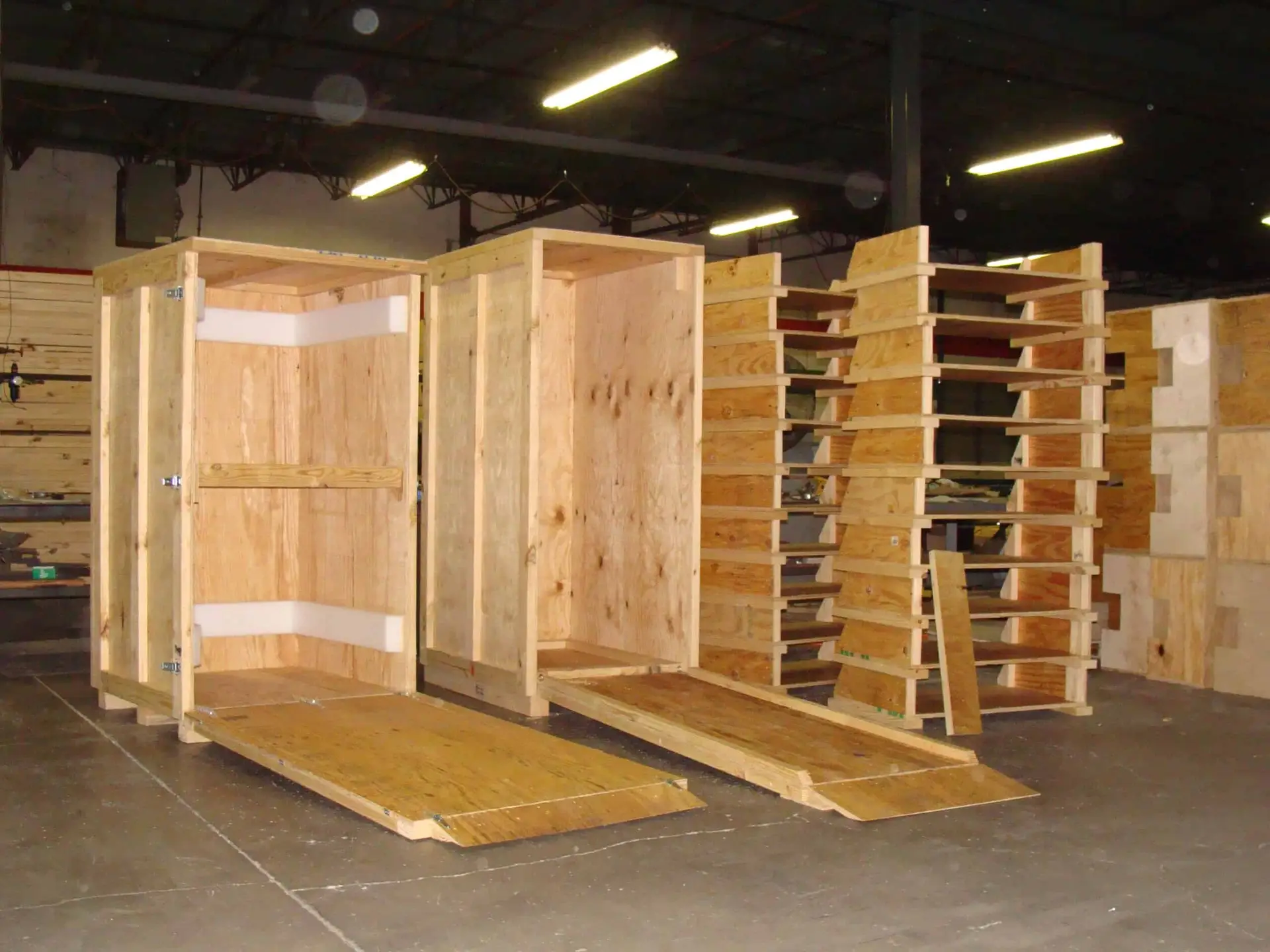
The goal is a suitable protective system. That includes the support beneath the item, the way it is restrained and the space needed for cushioning, rather than simply building a wooden box around its outline.
Understand what customization changes
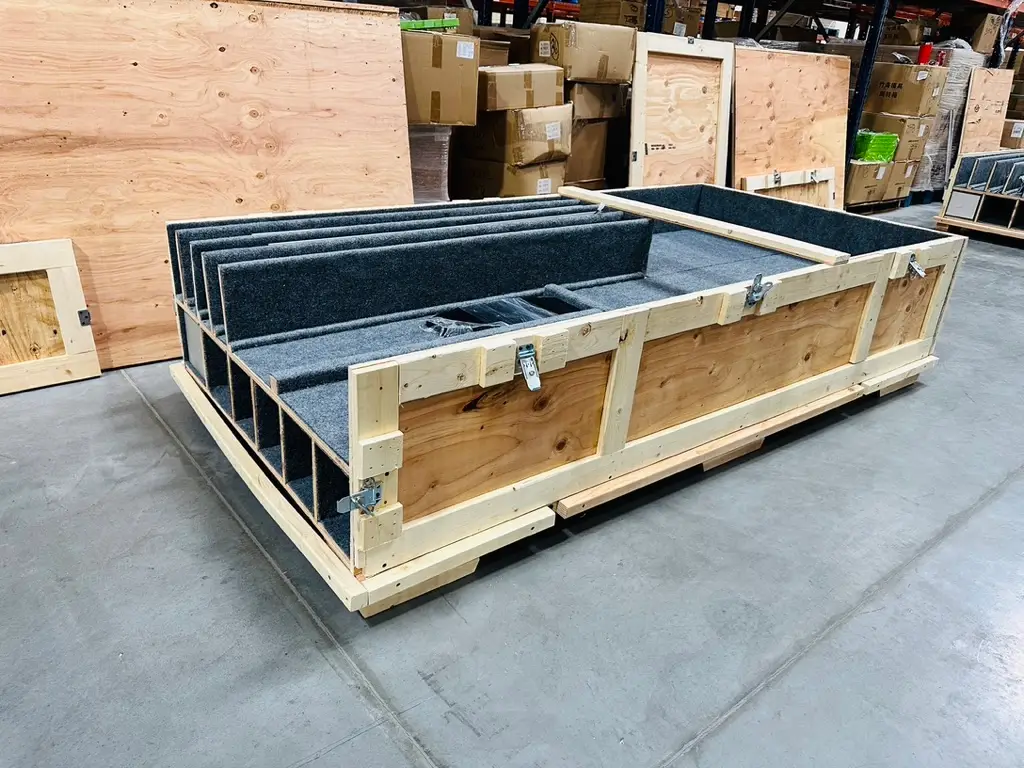
A stock container may work for a robust item that fits its intended load and packing method. Custom construction becomes useful when the object is unusually shaped, heavy, fragile or awkward to handle. It also gives the designer room to plan removable panels, compartments or repeat-use features.
Measure the full object, including protrusions, and identify any parts that can be removed under the manufacturer's instructions. Distinguish the object's dimensions from the finished crate's external dimensions, which will include the base, panels and protective clearances.

Select materials for their intended role
Lumber, plywood and protective packing materials each contribute differently. The frame and base carry loads; panels enclose the item; internal supports and cushioning address movement and contact. A stronger-looking panel alone does not resolve a weak base or poorly positioned support.
Metal and plastic cases can be alternatives for some applications, especially established reusable systems. Compare the complete design and route rather than declaring one material universally best. Crates of Las Vegas' custom-crate service is a starting point for a wood-crating discussion.
Fit the protection to the object
- Art and antiques: explain surface sensitivity, existing damage and fragile projections. Valuable or unstable objects may need a conservator's advice.
- Electronics: supply manufacturer guidance on orientation, handling and any specialized protective requirements.
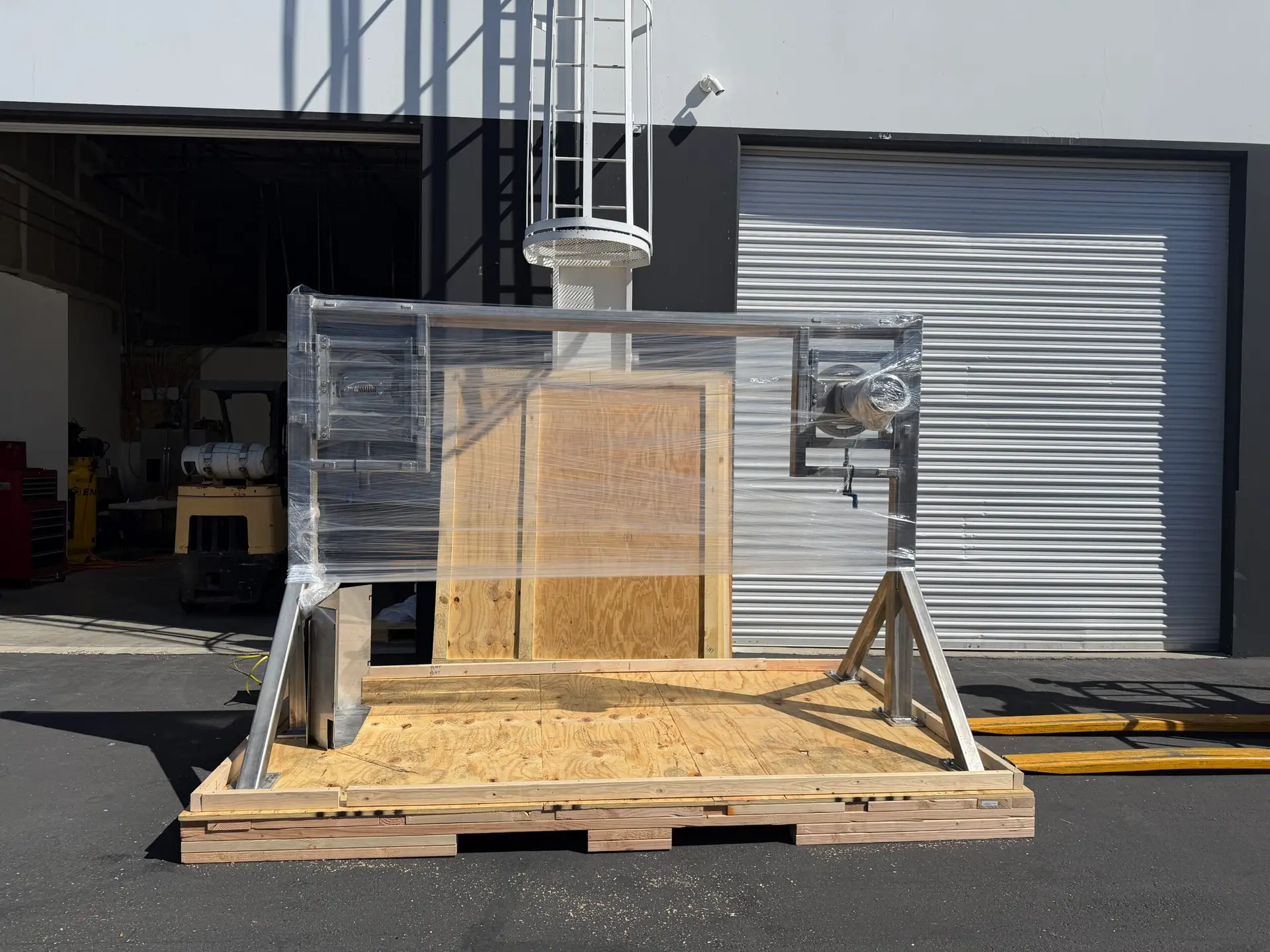
- Heavy equipment: provide reliable weight information, approved attachment points and unloading arrangements.
- Repeat-use exhibits: plan how the same packing will be identified, stored and reassembled.
Cushioning should be selected for the object and transport hazards. The Canadian Conservation Institute's safe-shipment guidance is a useful reference for fragile-object planning. There is no single foam thickness or tight-fit rule suitable for every item.
Keep branding and handling information compatible
Labels, product identifiers and a deliberate finish can support presentation. Confirm any special branding capability with the provider before making it part of the order. Keep shipping labels, opening instructions and required export marks visible.
Evaluate experience with specific questions
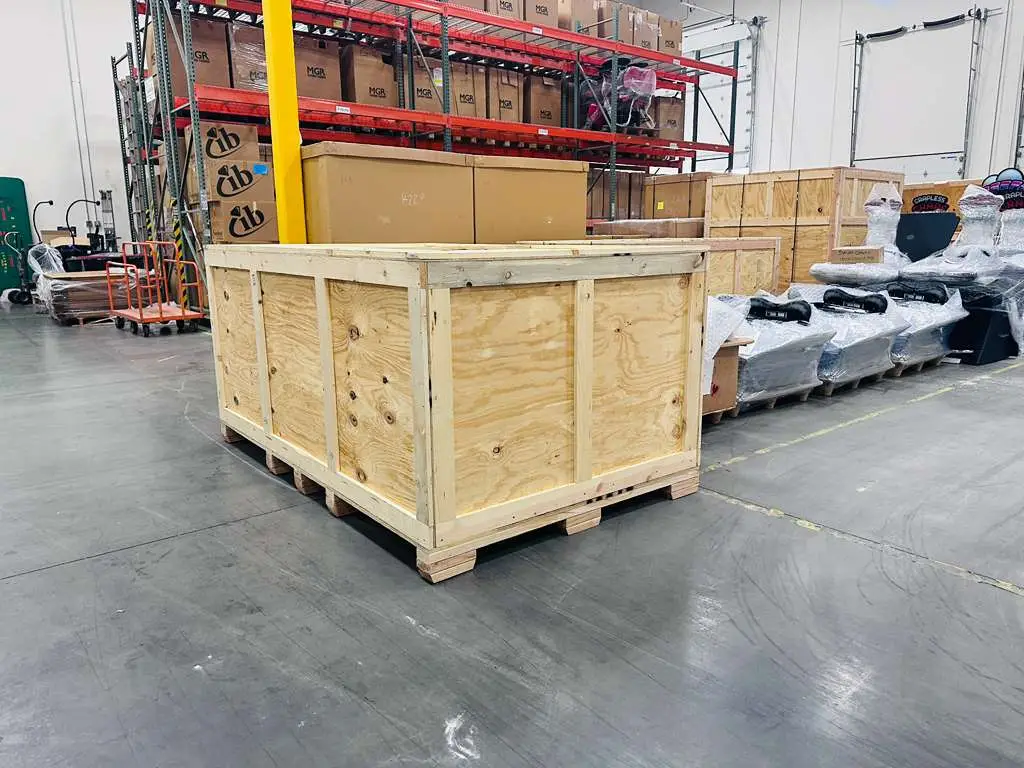
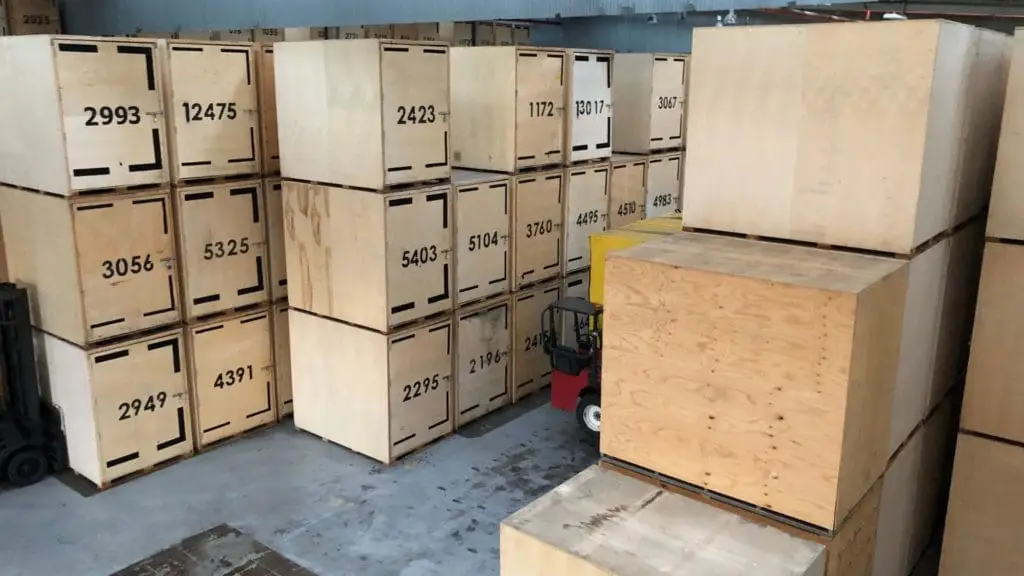
Ask to see relevant past work and discuss how it compares with your shipment. A photograph shows construction details, but it does not establish a tested load rating or prove how the contents performed in transit.
Useful questions include who packs the item, what is included in the quote, how the finished dimensions are recorded and what the recipient needs to unload it. Agree on the required completion date separately from the carrier's transit estimate.
Decide whether a DIY crate is appropriate
A simple storage project may be manageable for someone with suitable woodworking skills. Shipping fragile, heavy or irreplaceable goods involves additional design and handling questions. Include tools, materials, labor and the consequences of an inadequate package when comparing costs.
If you cannot establish suitable supports, lifting arrangements or protective interfaces, get professional input before construction. International wood-packaging requirements also need separate review for the route.
PLAN YOUR CRATING
Prepare a useful custom-crate brief
Contact Crates of Las Vegas at 702-997-1237 with photographs, dimensions, weight, pickup location and destination. Include your budget priorities, deadline and reuse plans so the proposed crate can be assessed against your actual needs.
Discuss your crating projectMORE CRATING GUIDES