
LAS VEGAS · CRATING GUIDE
DIY Wood Crate Décor in Las Vegas: Ideas, Prep and Care
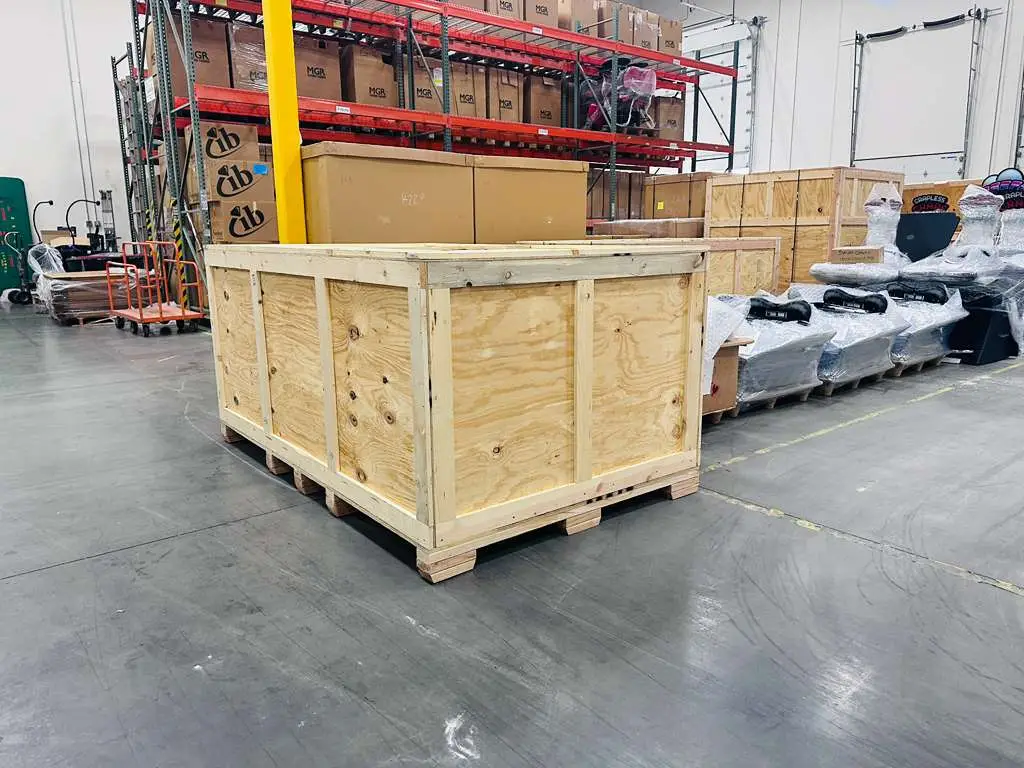
Wood crates can become simple display boxes, storage pieces or plant-container surrounds with a little planning. Their visible grain and straightforward shape make them a useful starting point for a personal project at home or in a Las Vegas business.
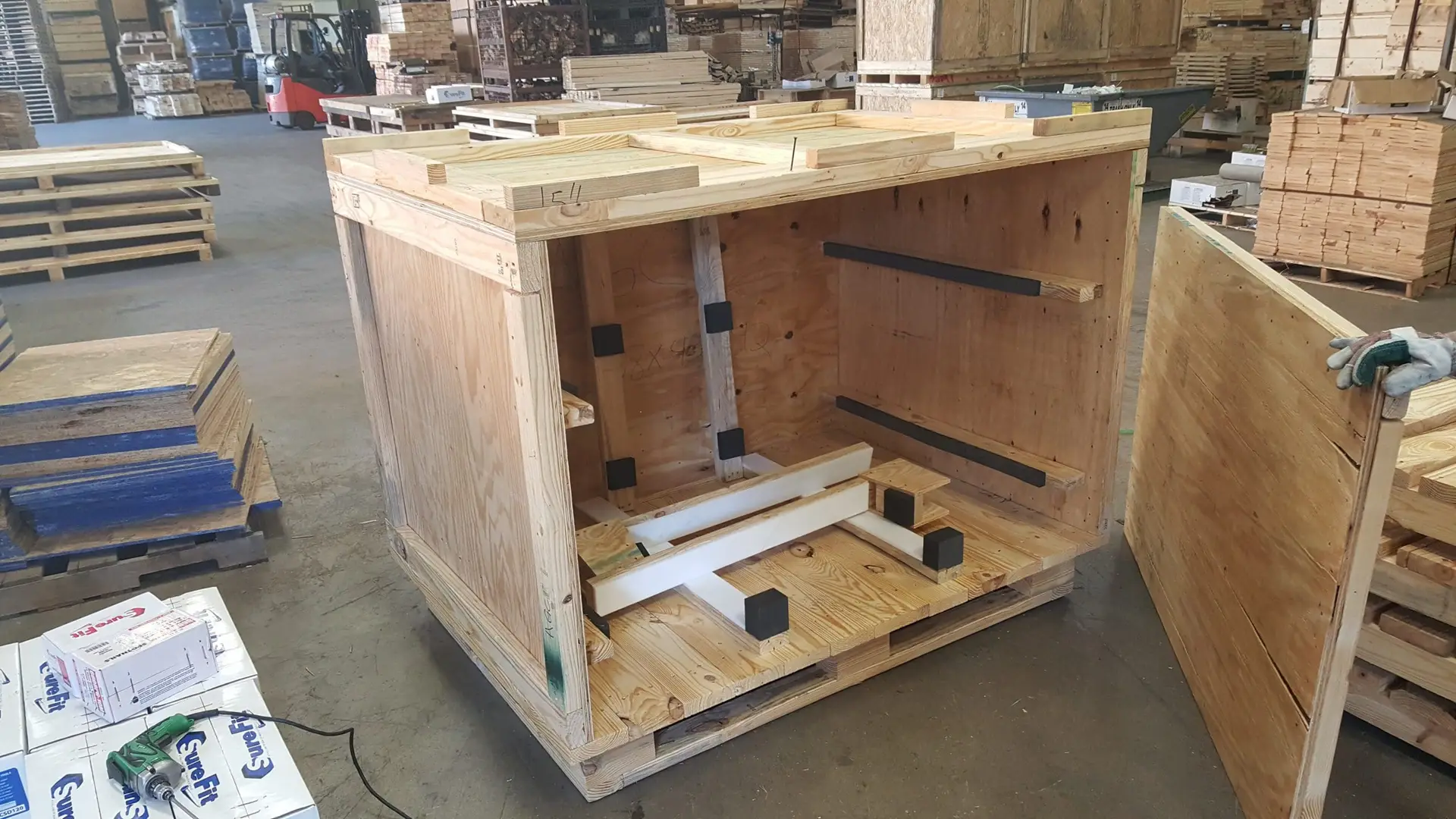
Start by deciding what the finished piece must do. A decorative box, a wall-mounted shelf and a seat place very different demands on the material. A used shipping crate should not be assumed suitable for furniture simply because it looks sturdy.
Choose an idea that suits the crate
Keep the first project modest and match it to the crate's condition. Consider the size, appearance and where the piece will sit before buying paint or adding hardware.
- Display box: show lightweight collectibles on a stable surface.
- Low-level storage: organize craft supplies where the box can be inspected and accessed easily.
- Plant-pot surround: place a separate pot inside and plan drainage so water does not collect against the wood.
- Photo or memory display: use the interior as a frame for lightweight items.
Bookcases, coffee tables, wall gardens and stacked displays need a suitable structural design. Avoid treating crates as ready-made bed frames, seating or other load-bearing furniture without a competent assessment.
Source clean material with a known history
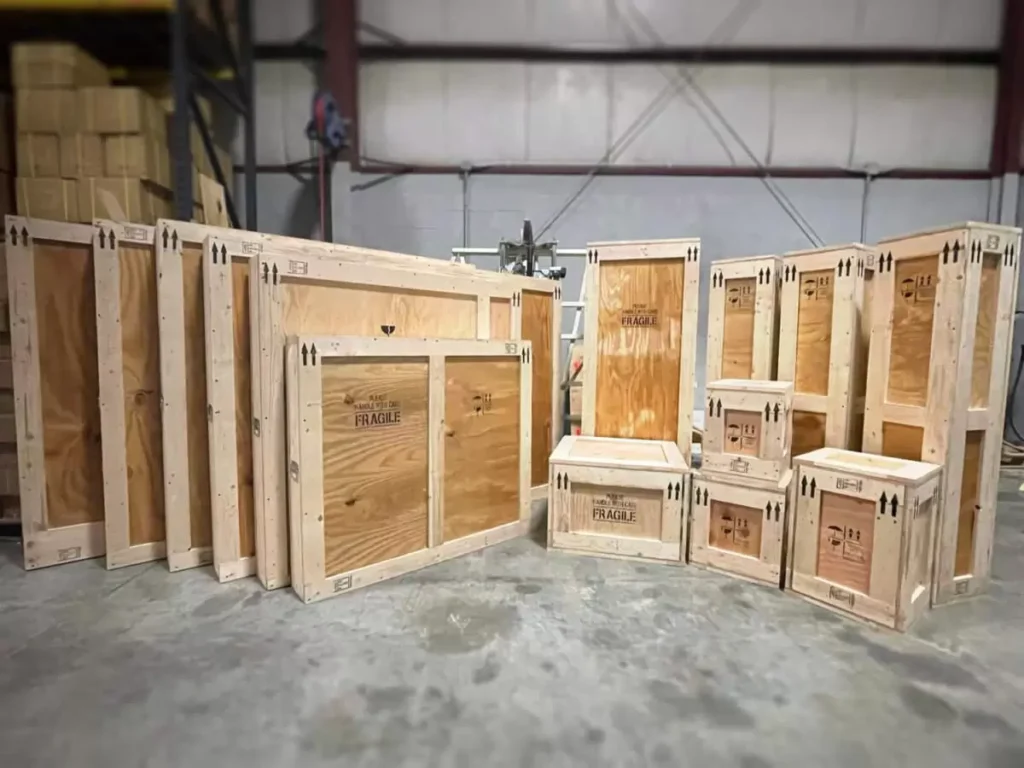
Ask local suppliers whether they have suitable crates and get permission before taking any discarded packaging. A crate behind a shop may still be in use or awaiting return. Check the dimensions and condition in person when possible.
Reject material with unknown chemical contamination, strong unexplained odors, extensive decay or obvious pest damage. Do not assume a treatment stamp proves a used crate is suitable for indoor, food-contact or children's projects. Ask about its original use and choose a different source if its history is unclear.
Prepare the crate before decorating
- Inspect the panels, joints and base for damage, loose fasteners and protruding points.
- Remove loose dirt and clean using a method appropriate to the known material and finish.
- Repair or replace unsuitable parts before decorative work begins.
- Address rough edges using appropriate tools and dust protection; do not sand an unknown old coating without assessing it.
- Let the material dry and check the planned finish's preparation and curing instructions.
Keep the intended location in mind. A finish suited to an indoor display may not suit an exposed outdoor piece. Follow the coating manufacturer's directions rather than relying on a universal preparation or maintenance recipe.
Use color and arrangement deliberately
A painted interior can frame an object, while a restrained stain can emphasize the grain. Test the finish on a small inconspicuous area to understand its effect before treating the visible surfaces.
For a business display, keep the arrangement stable and out of circulation routes. Confirm the requirements of the premises before mounting anything to walls or using décor in a public venue. Do not let branding or decoration conceal damage that needs repair.
Secure furniture-style storage against tipping where appropriate. The CPSC's Anchor It guidance explains the importance of anchoring furniture. Wall attachment also needs hardware and a wall structure suited to the complete loaded piece.
Care for the finished piece
Dust gently and check for loose components, finish damage and moisture accumulation. Keep indoor pieces away from unnecessary direct sun or wet areas. Outdoor displays need more frequent condition checks, with any recoating based on the product instructions and actual wear.
Do not rely on a wood conditioner or sealant to correct structural weakness. If a joint loosens or a panel splits, stop using the piece in a way that depends on that part until it is assessed and repaired.
PLAN YOUR CRATING
Pack finished décor for its next move
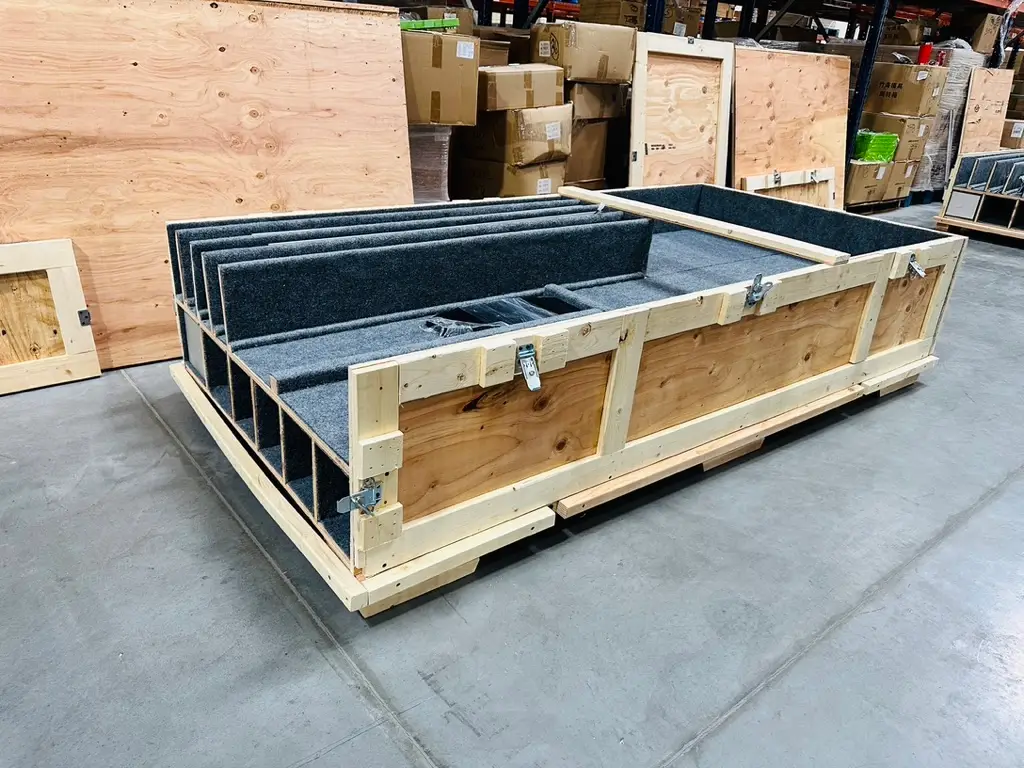
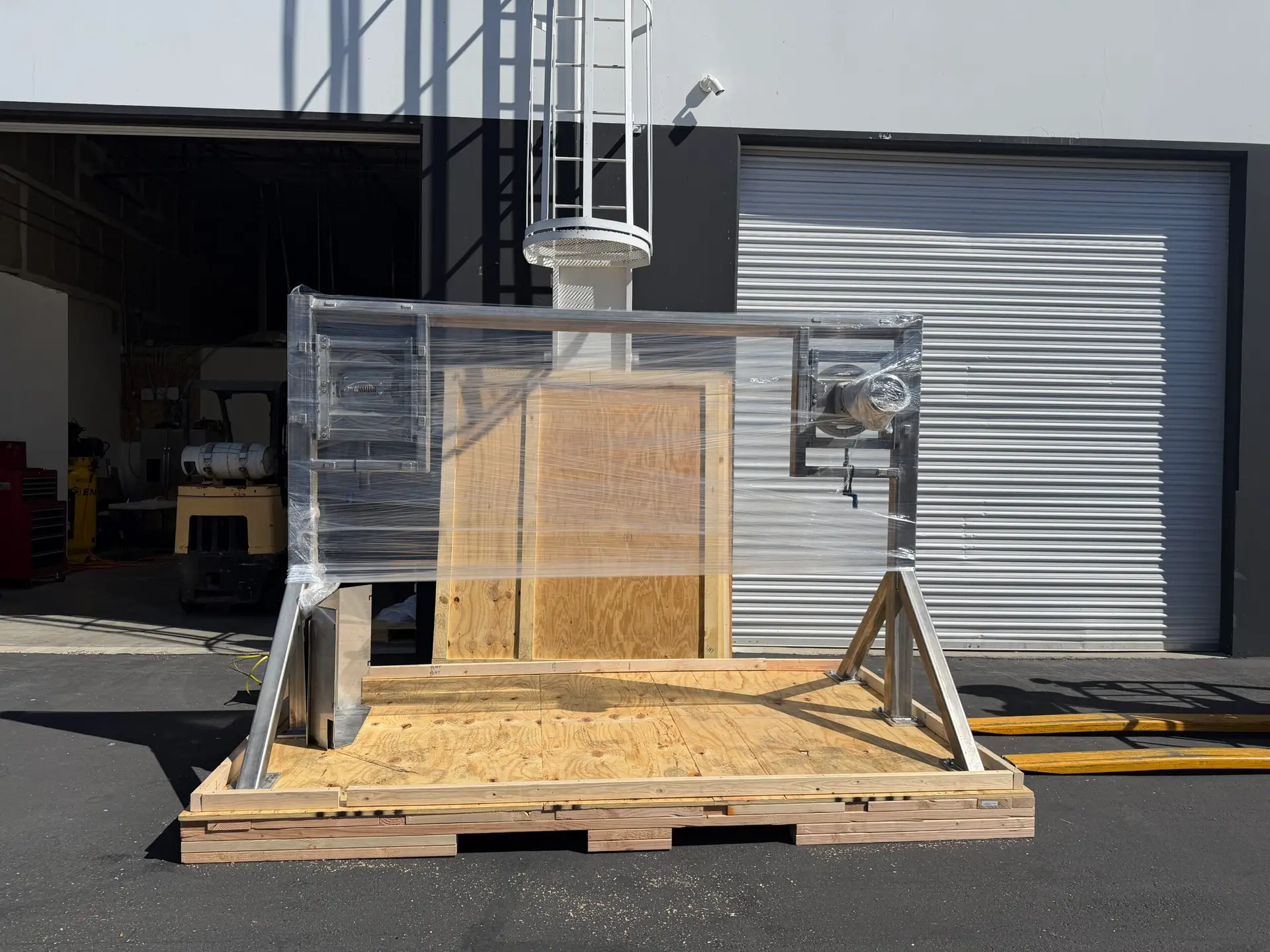
If your project will be shipped, record its finished dimensions and identify surfaces or attachments that need protection. Contact Crates of Las Vegas about packing options for the completed piece. A decorative crate and the packaging needed to transport that creation may serve different purposes.
Discuss your crating projectMORE CRATING GUIDES